11th Symposium Health Care of the Future 2026
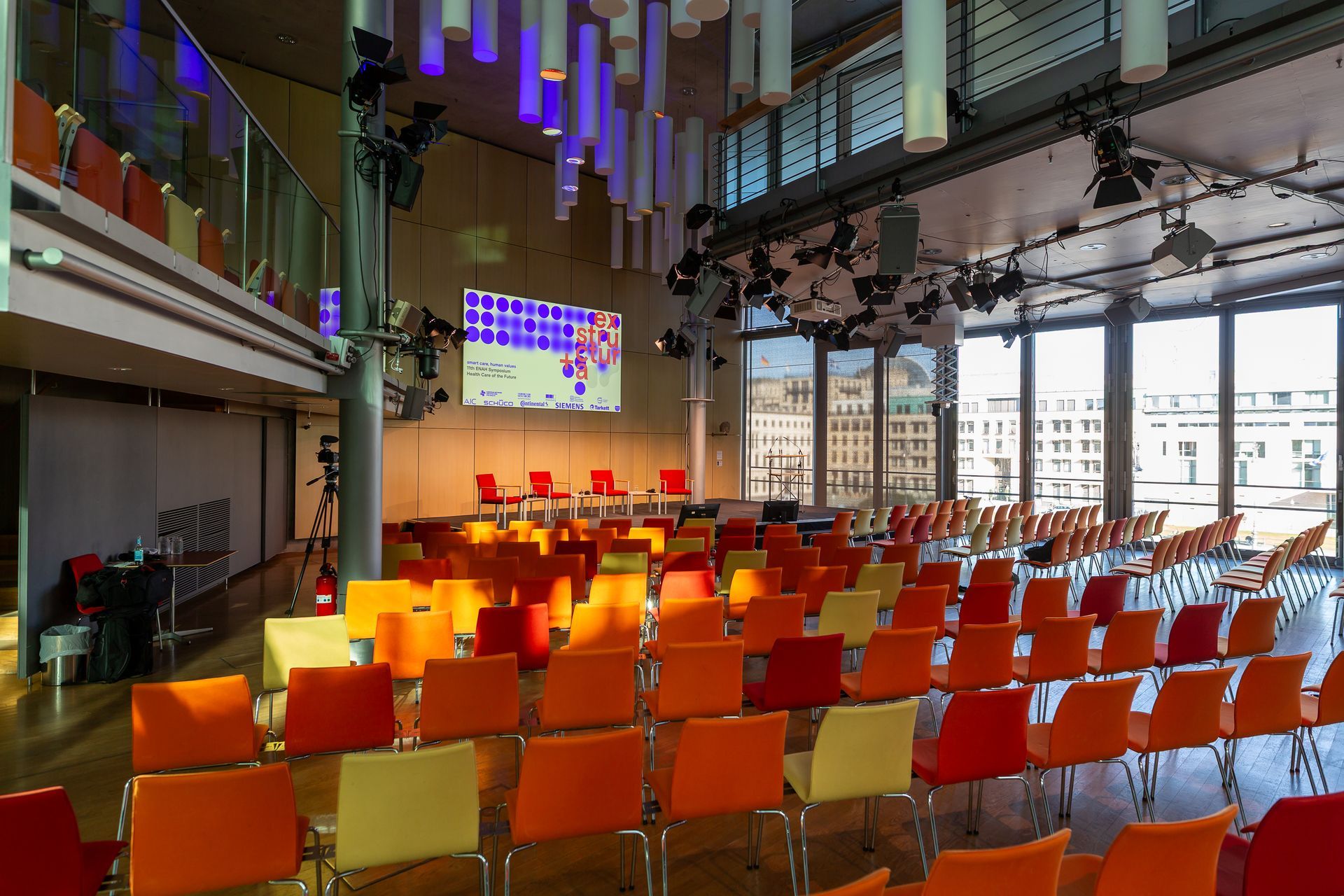
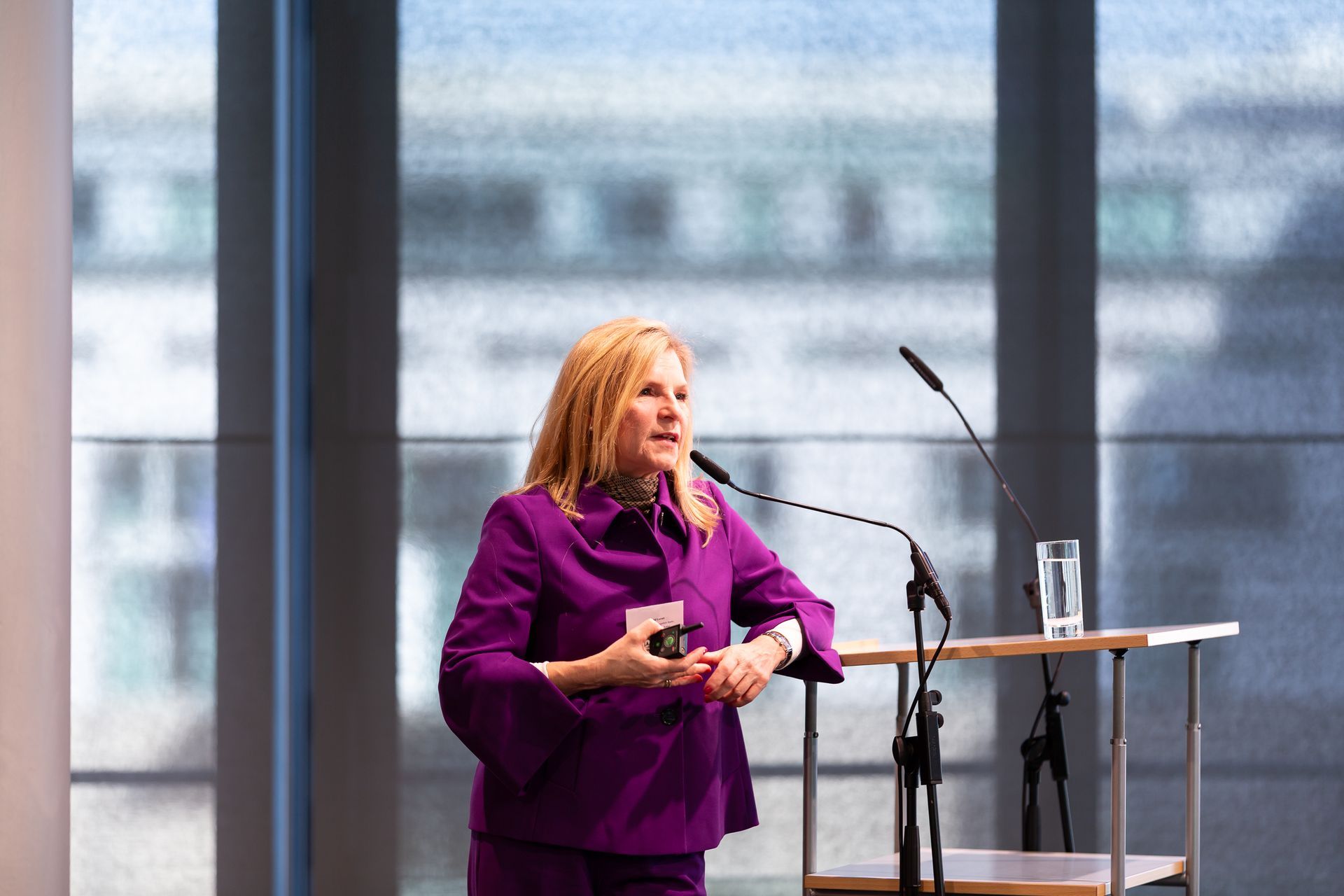
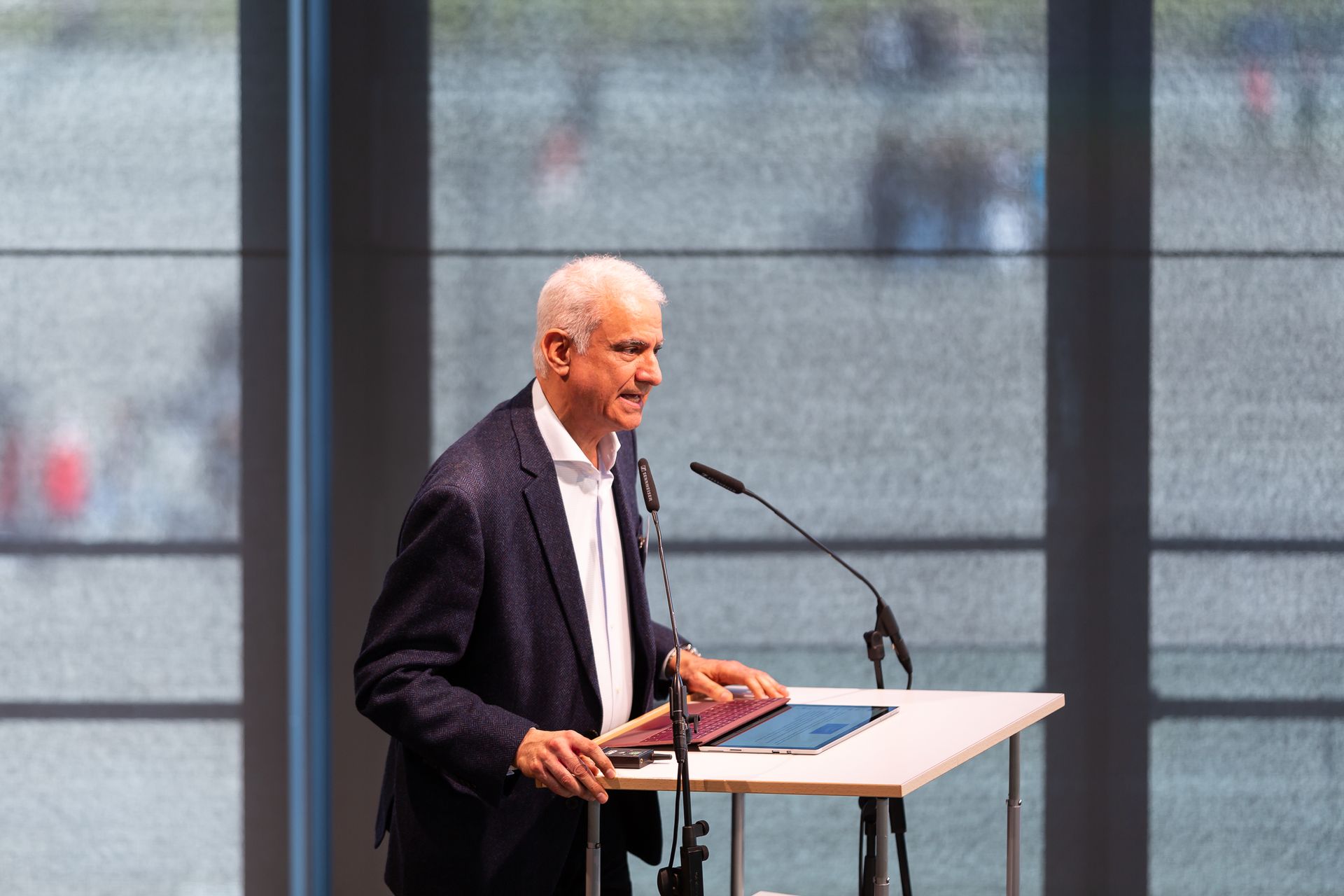
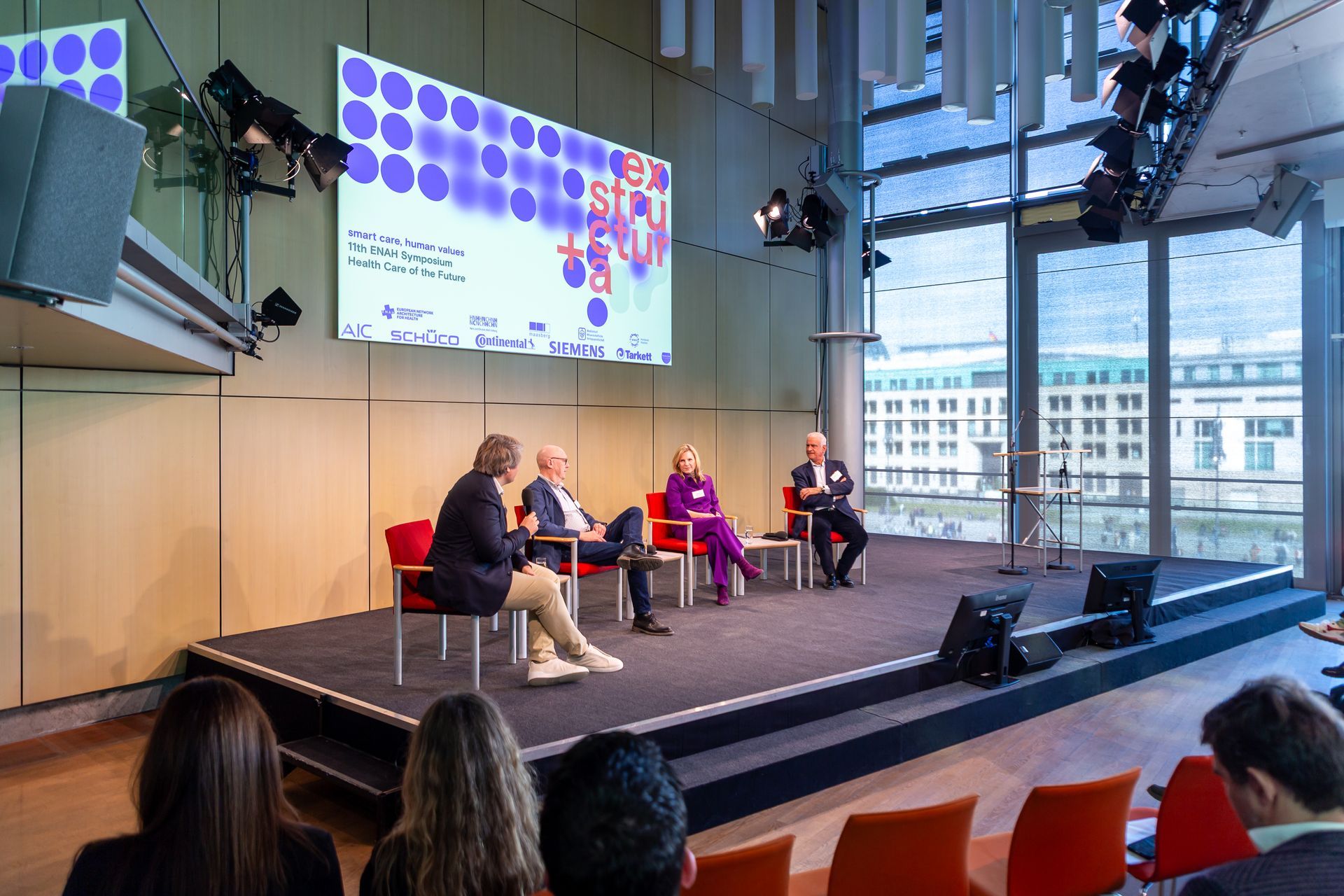
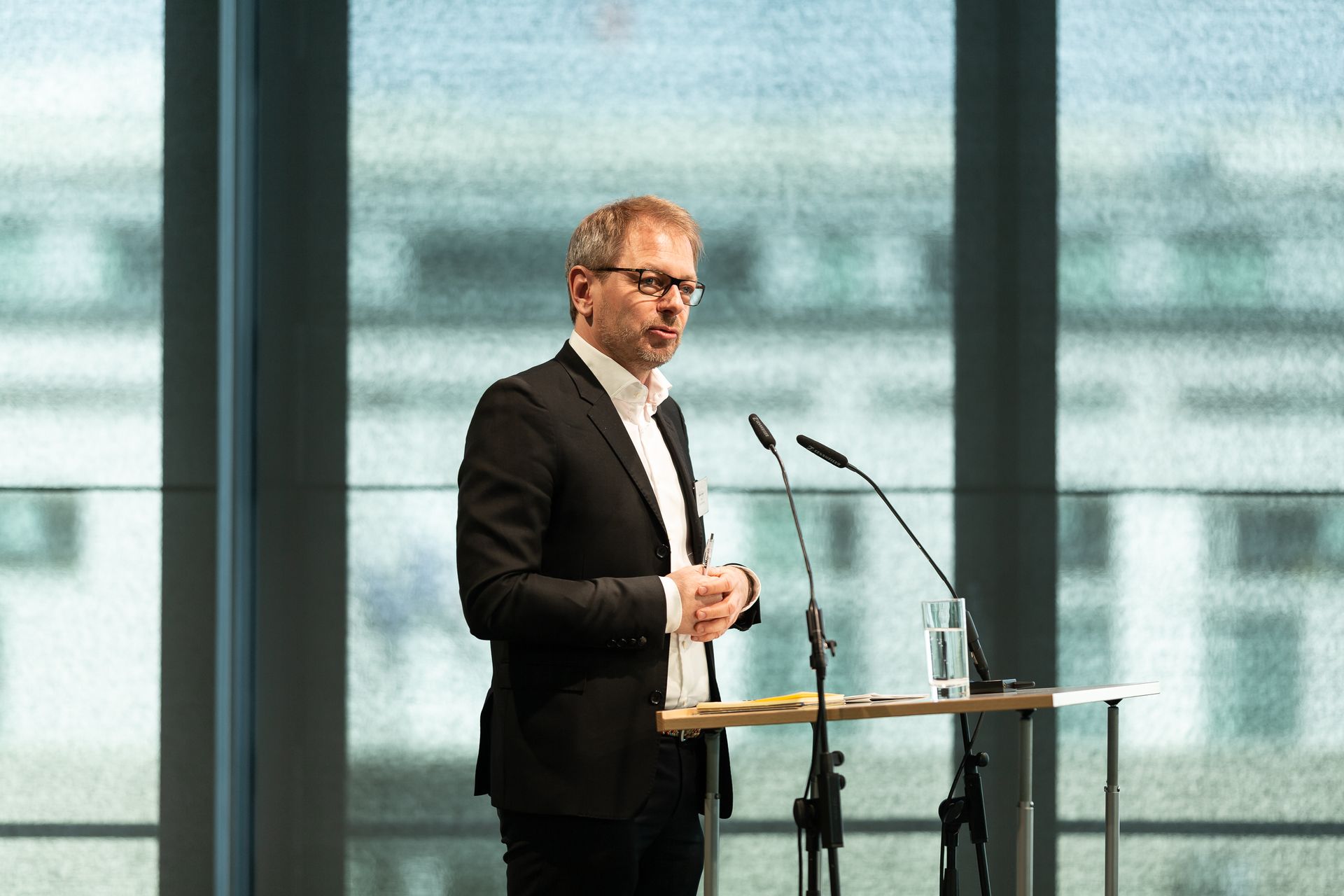
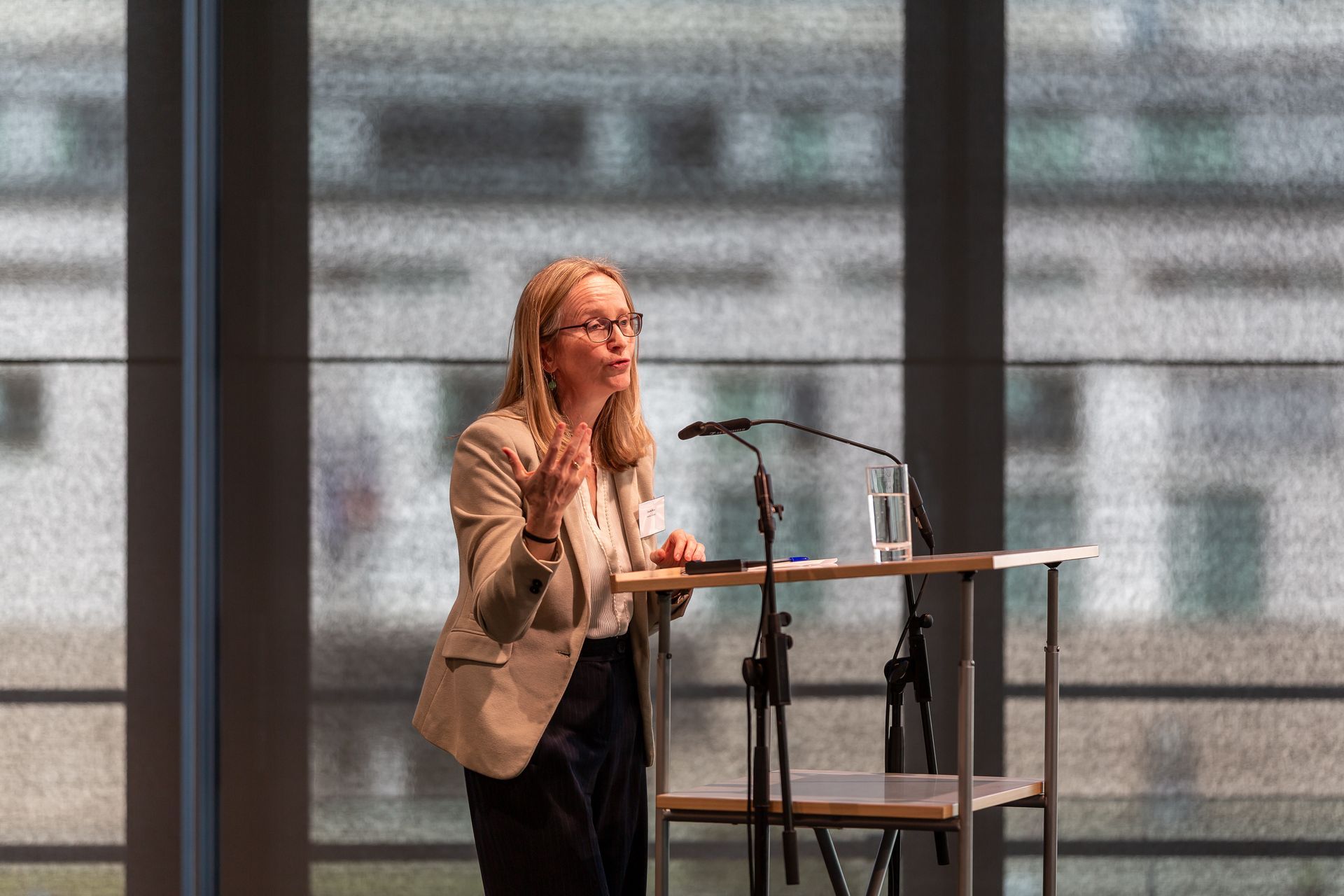
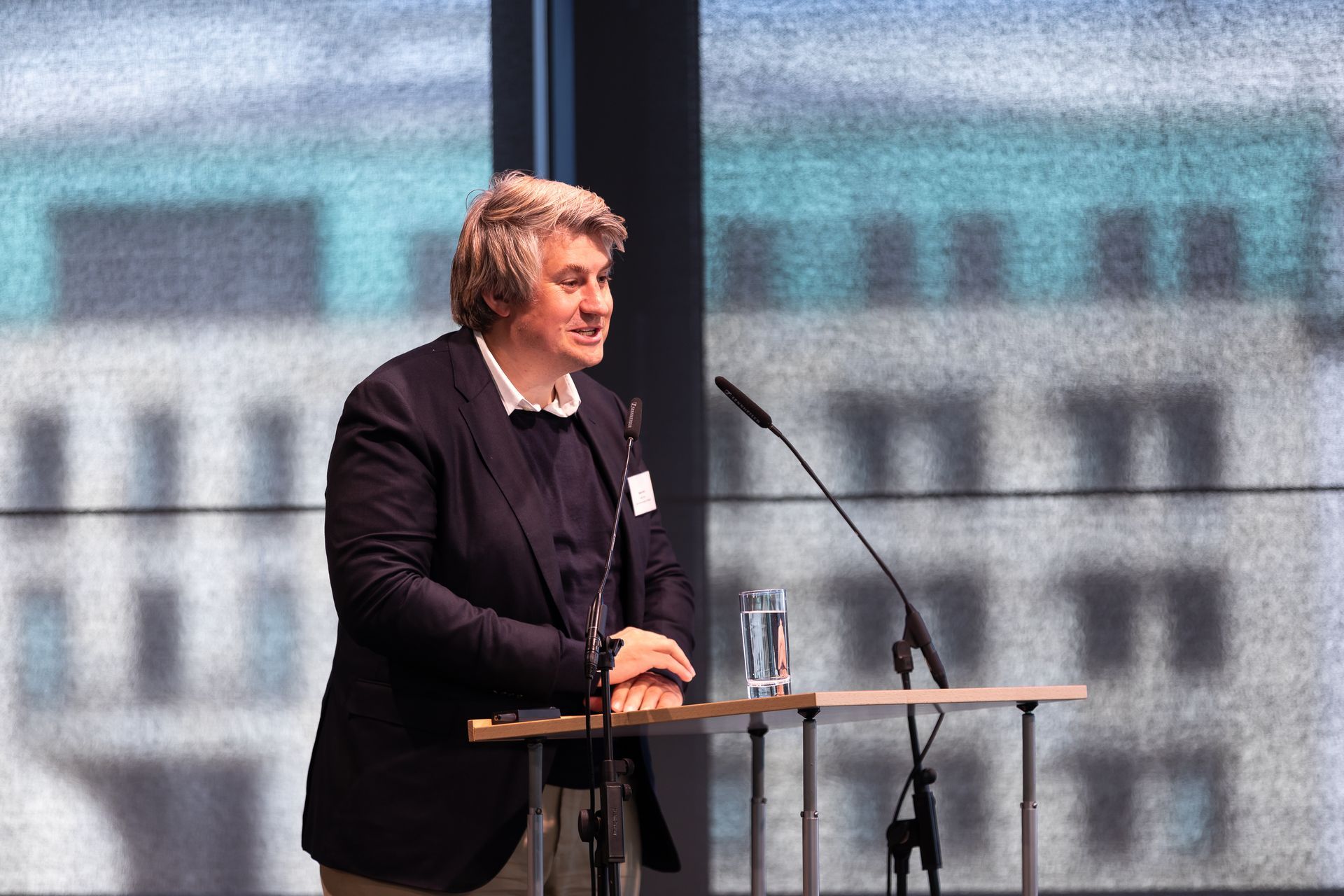
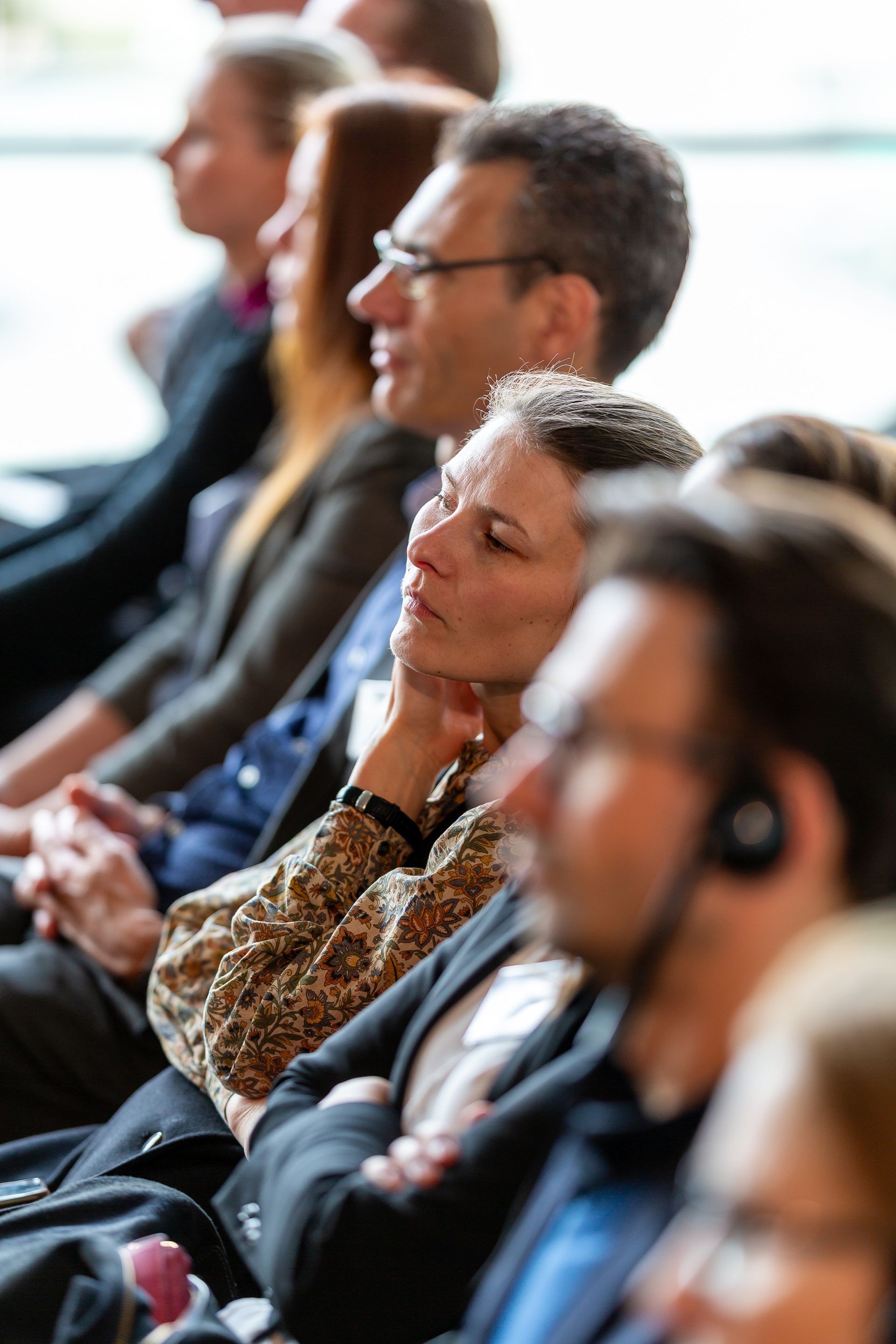
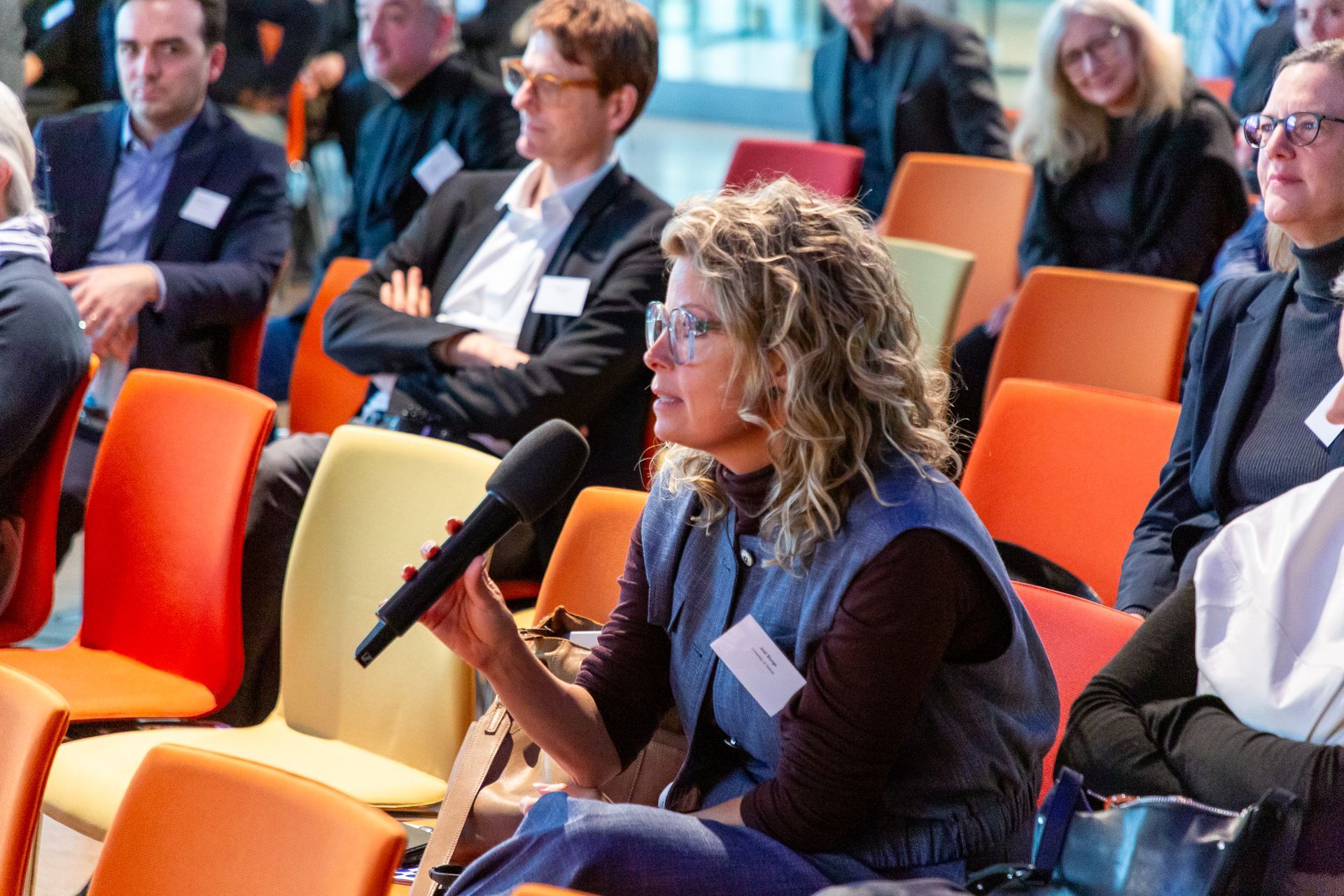
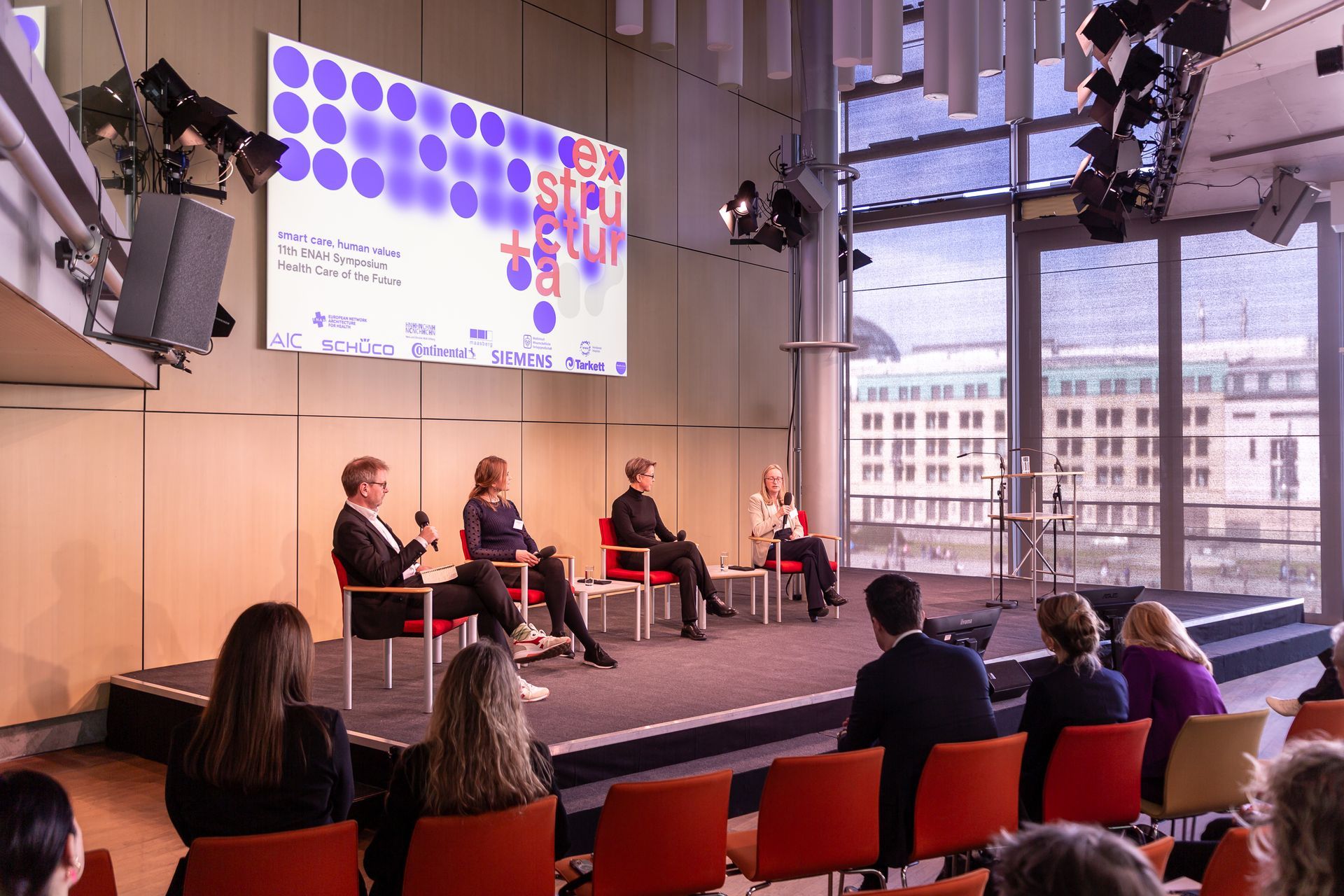
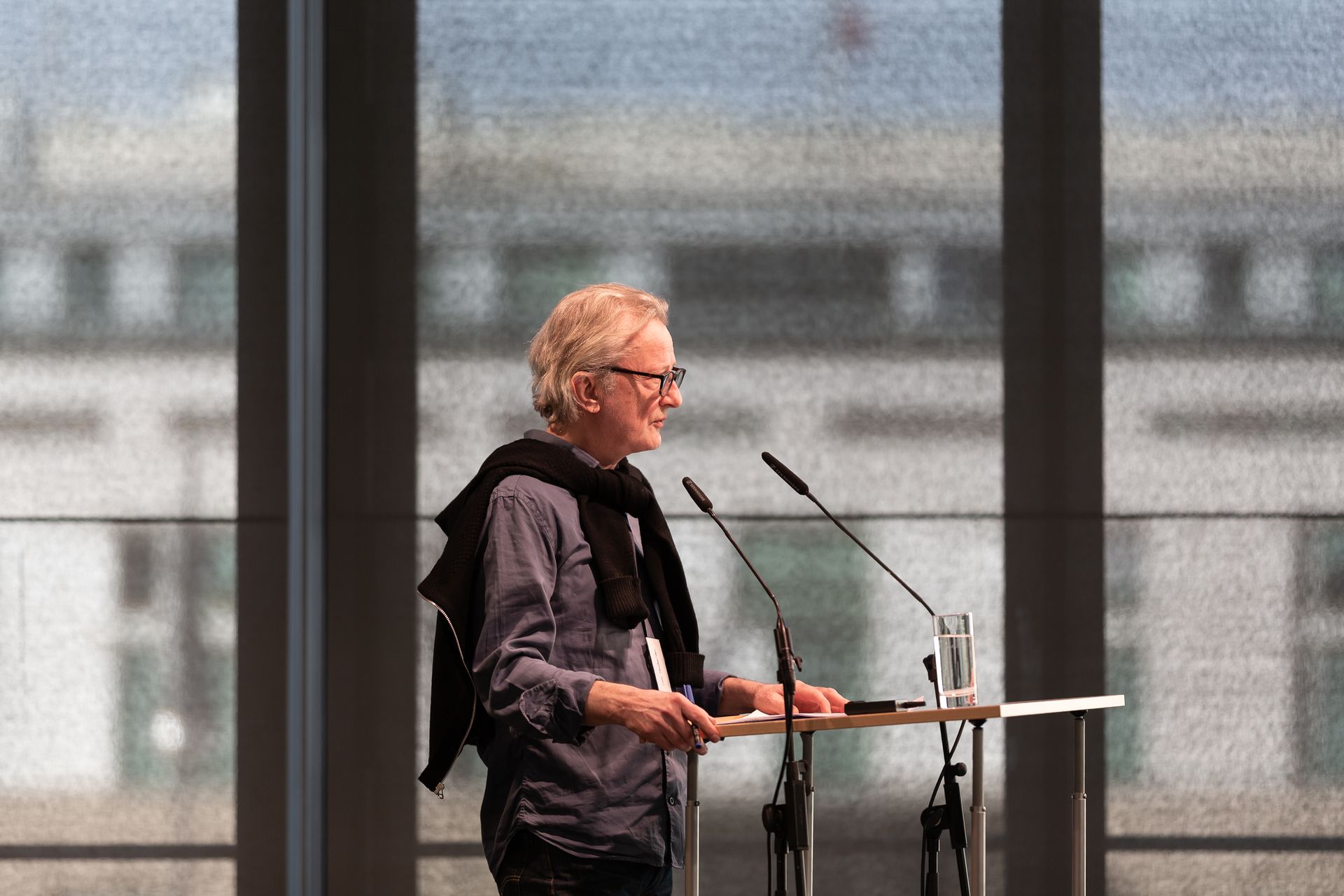
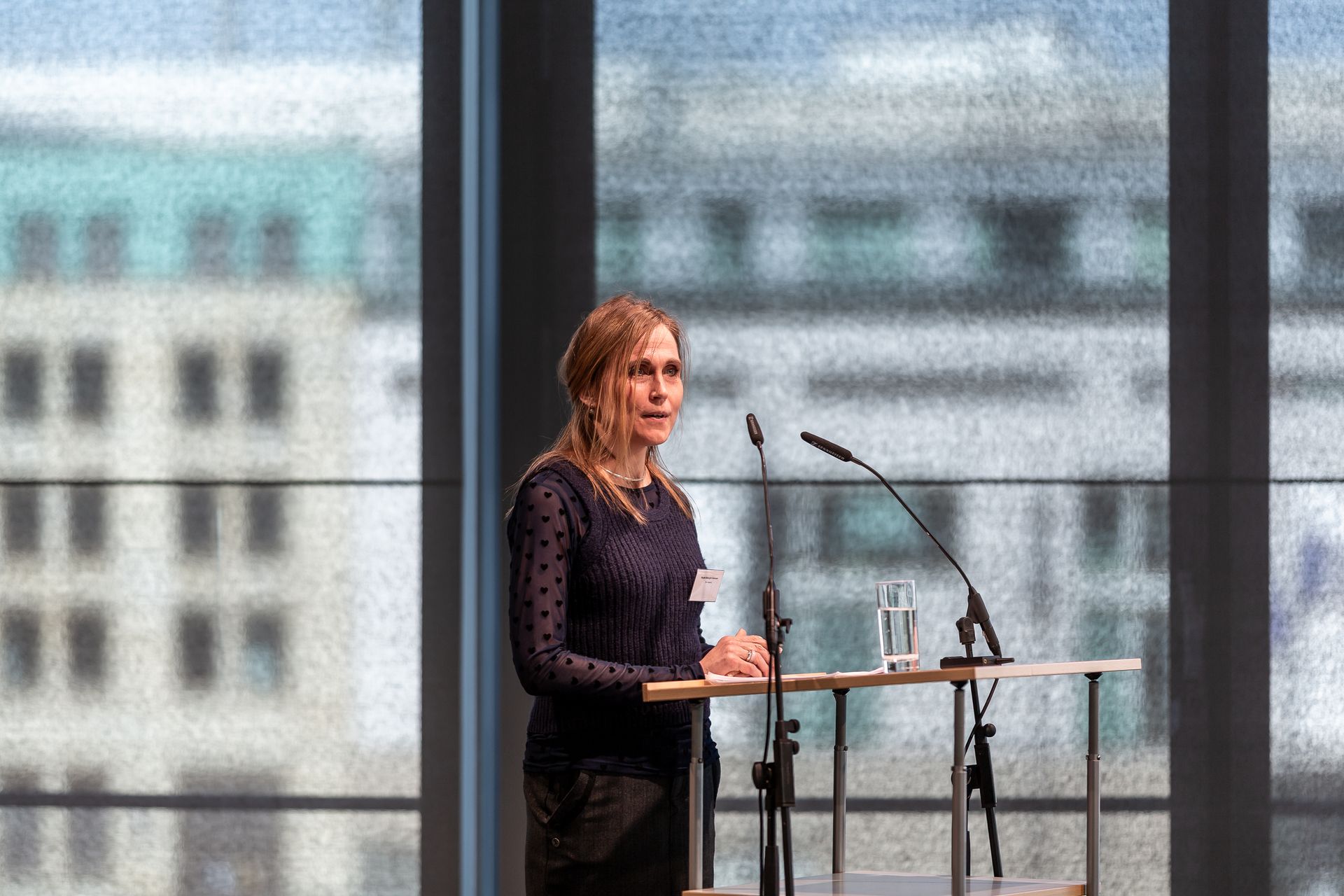
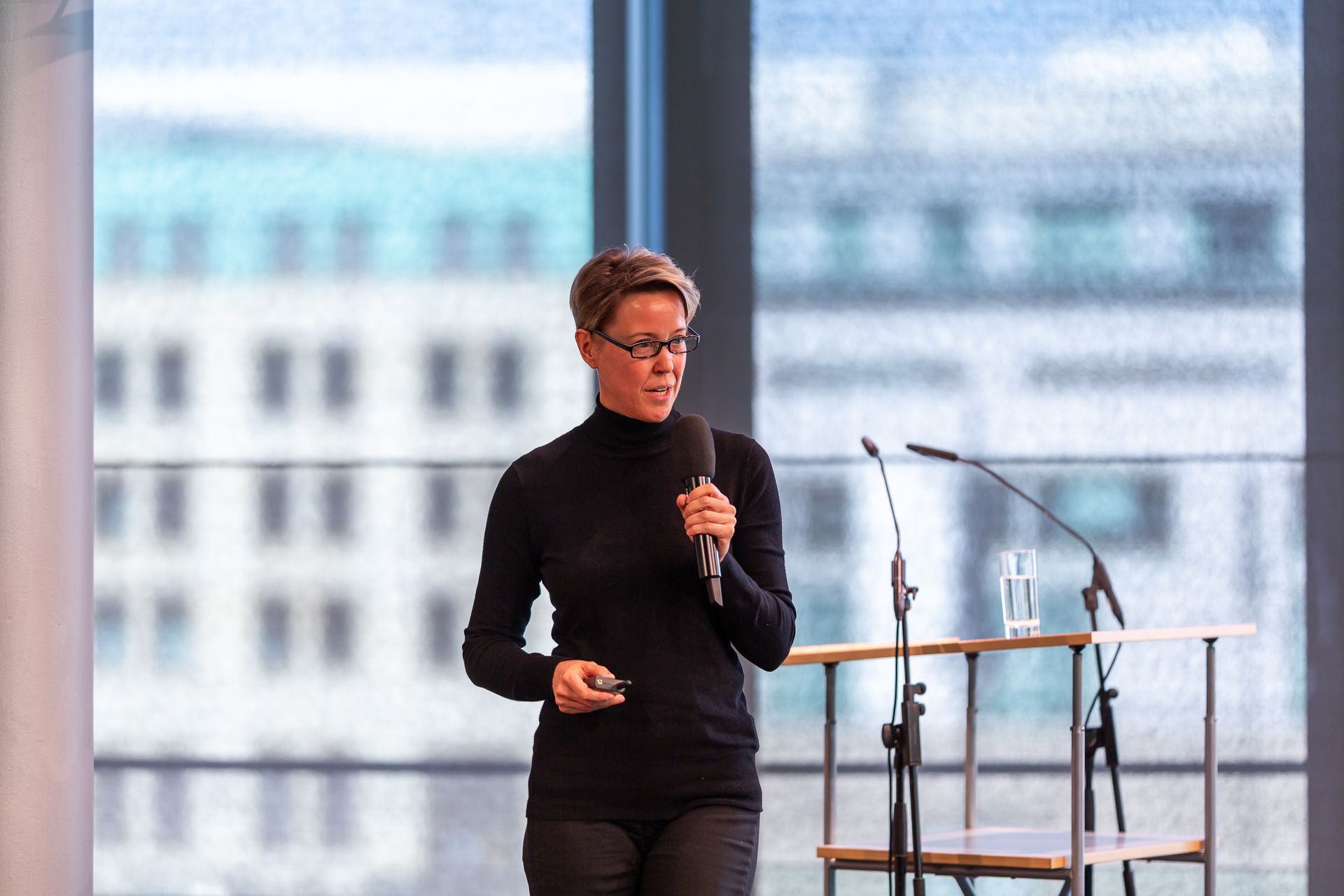
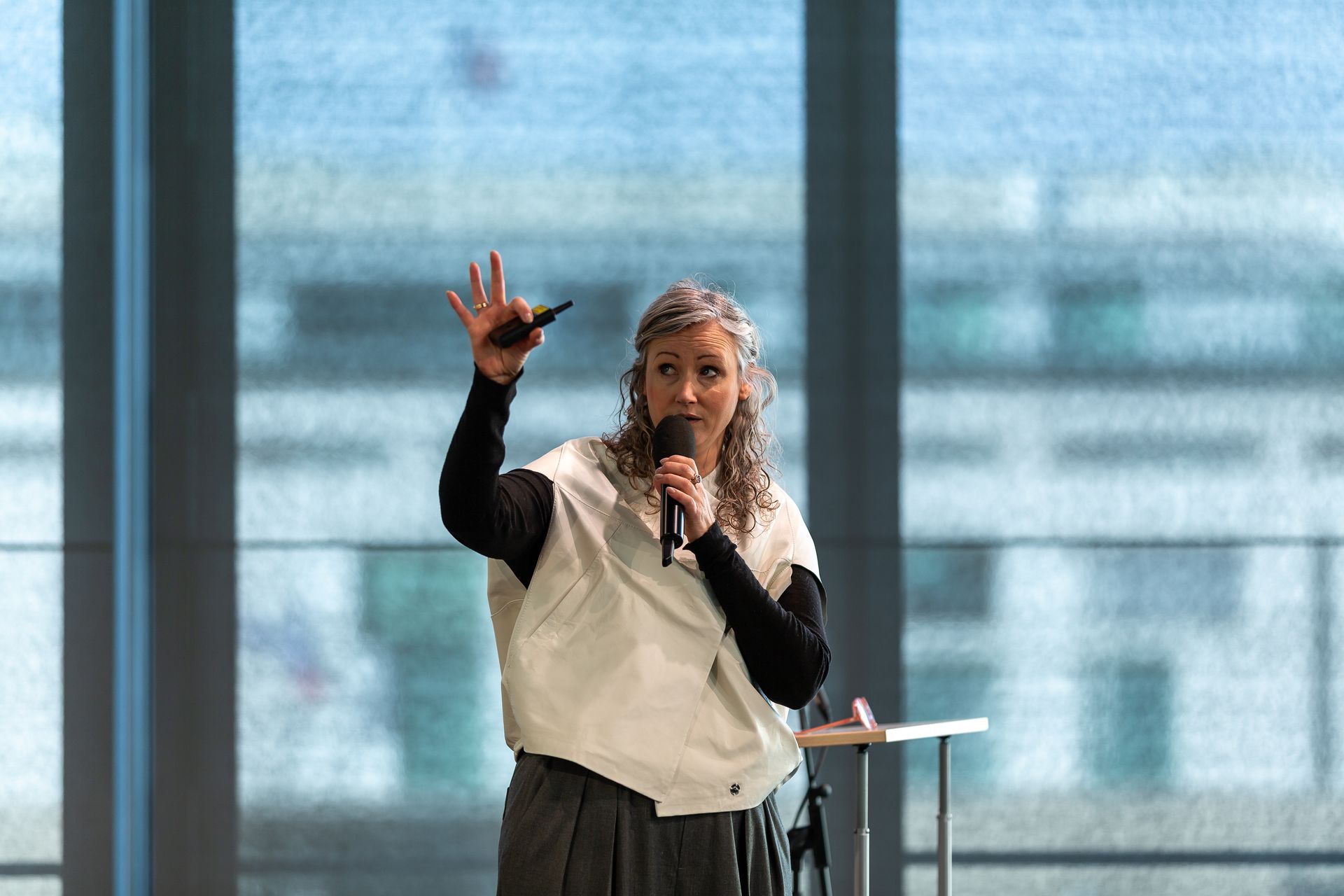
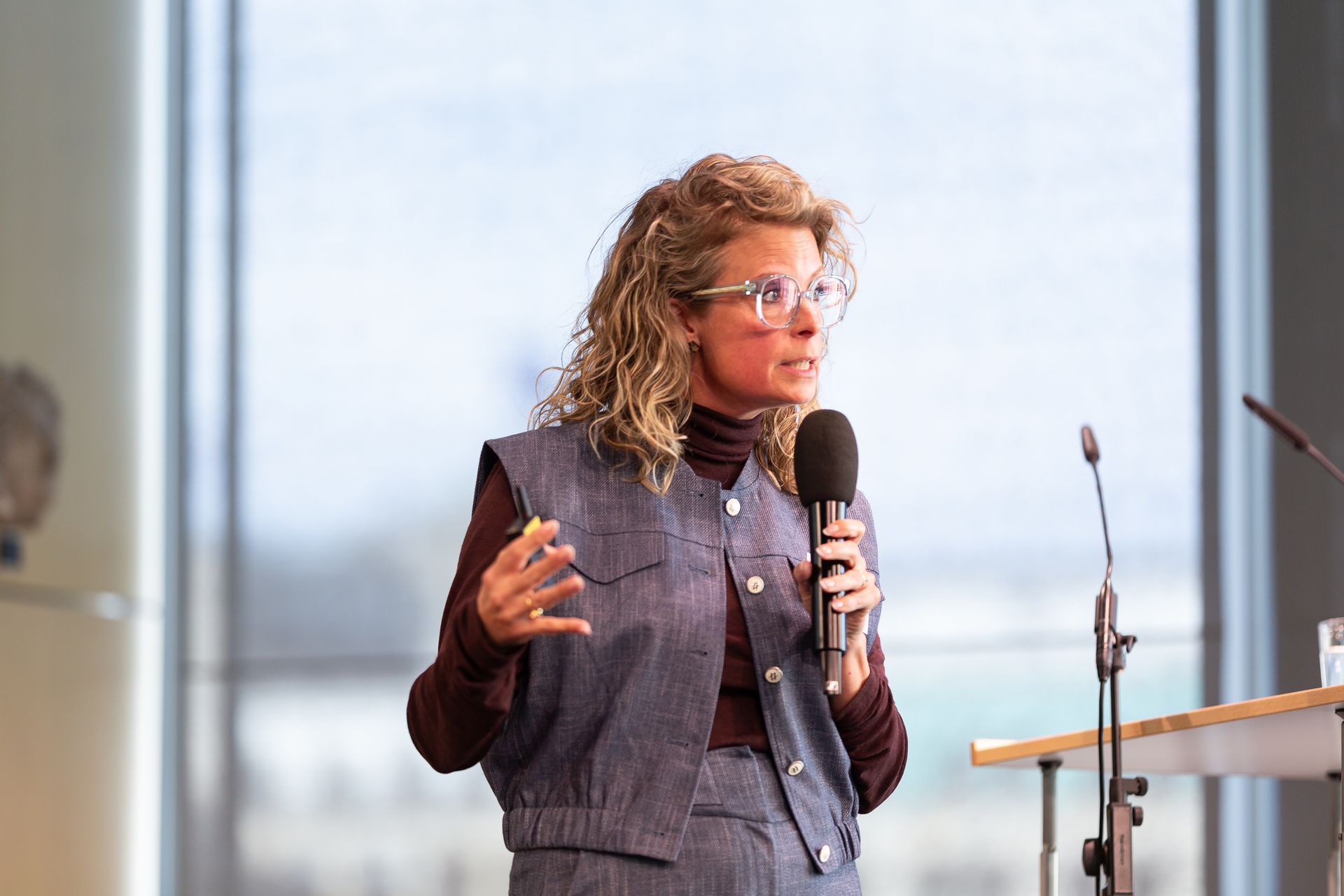
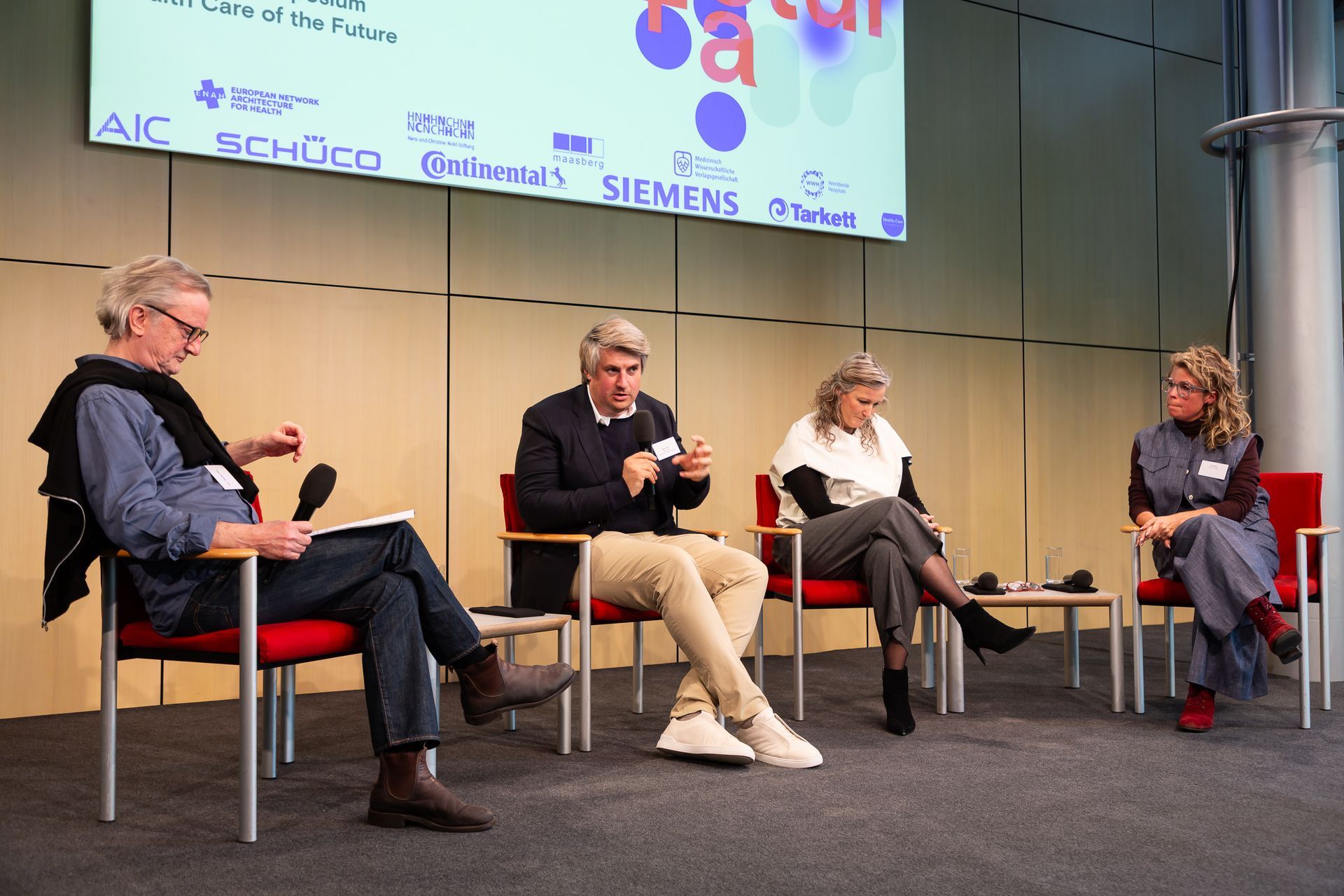

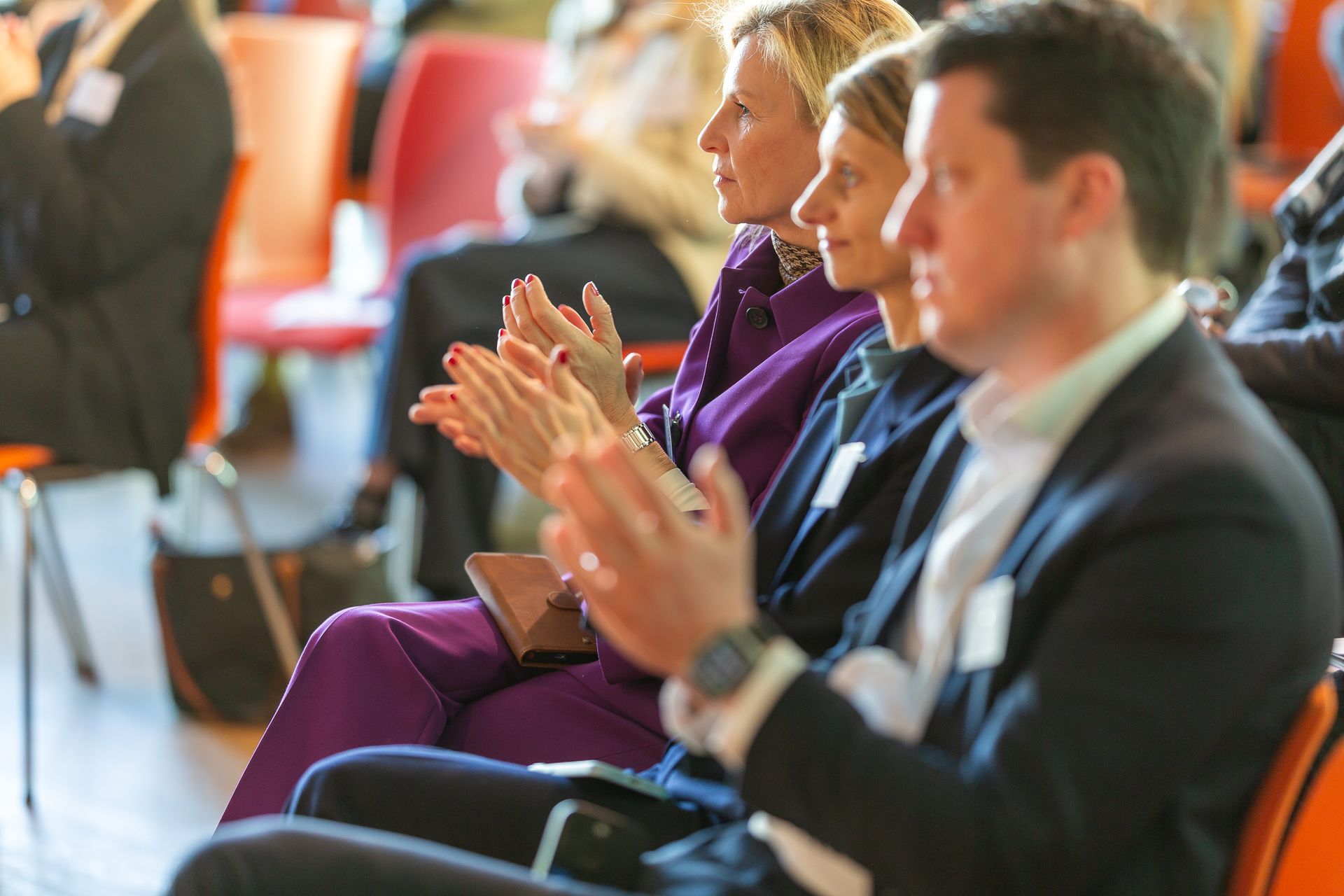
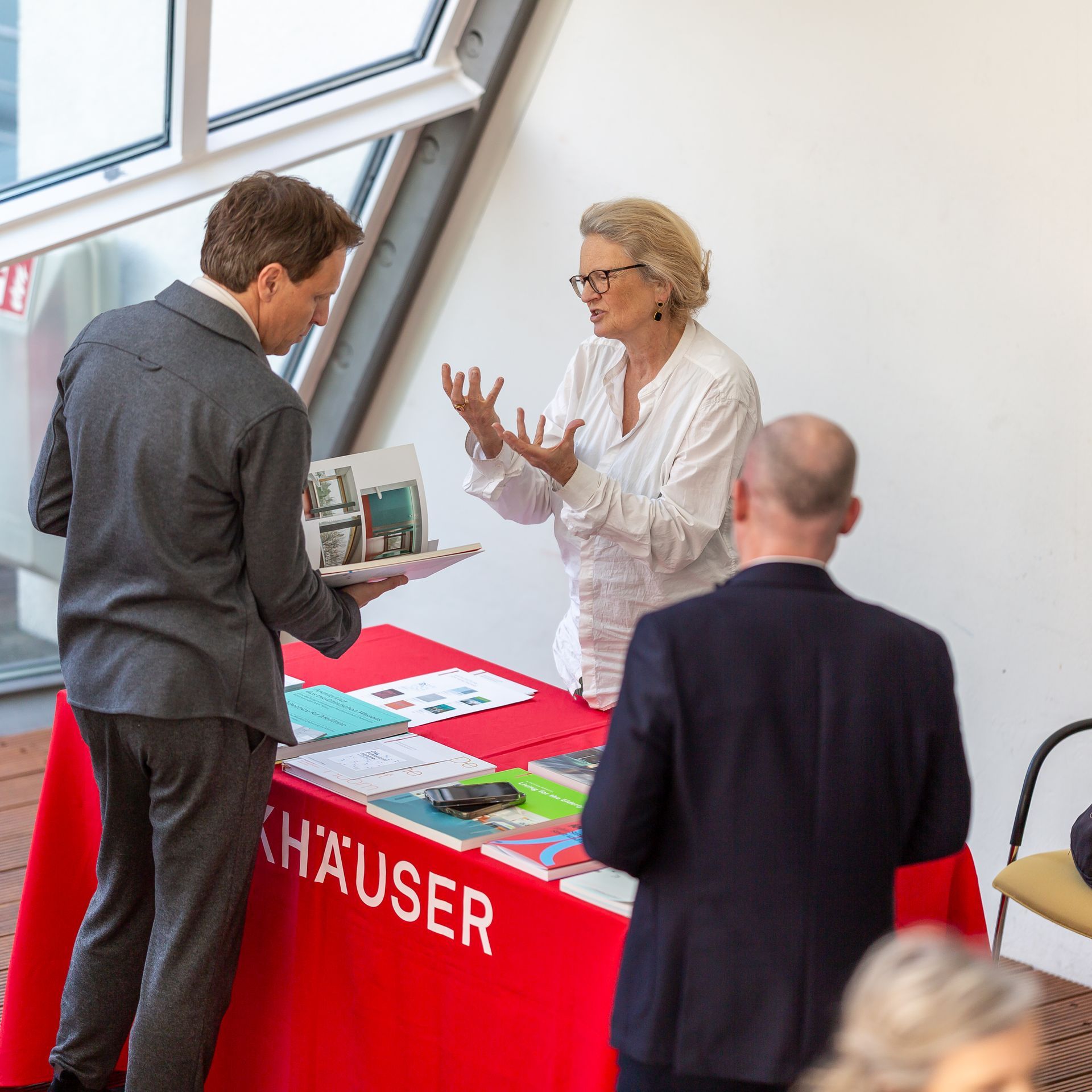
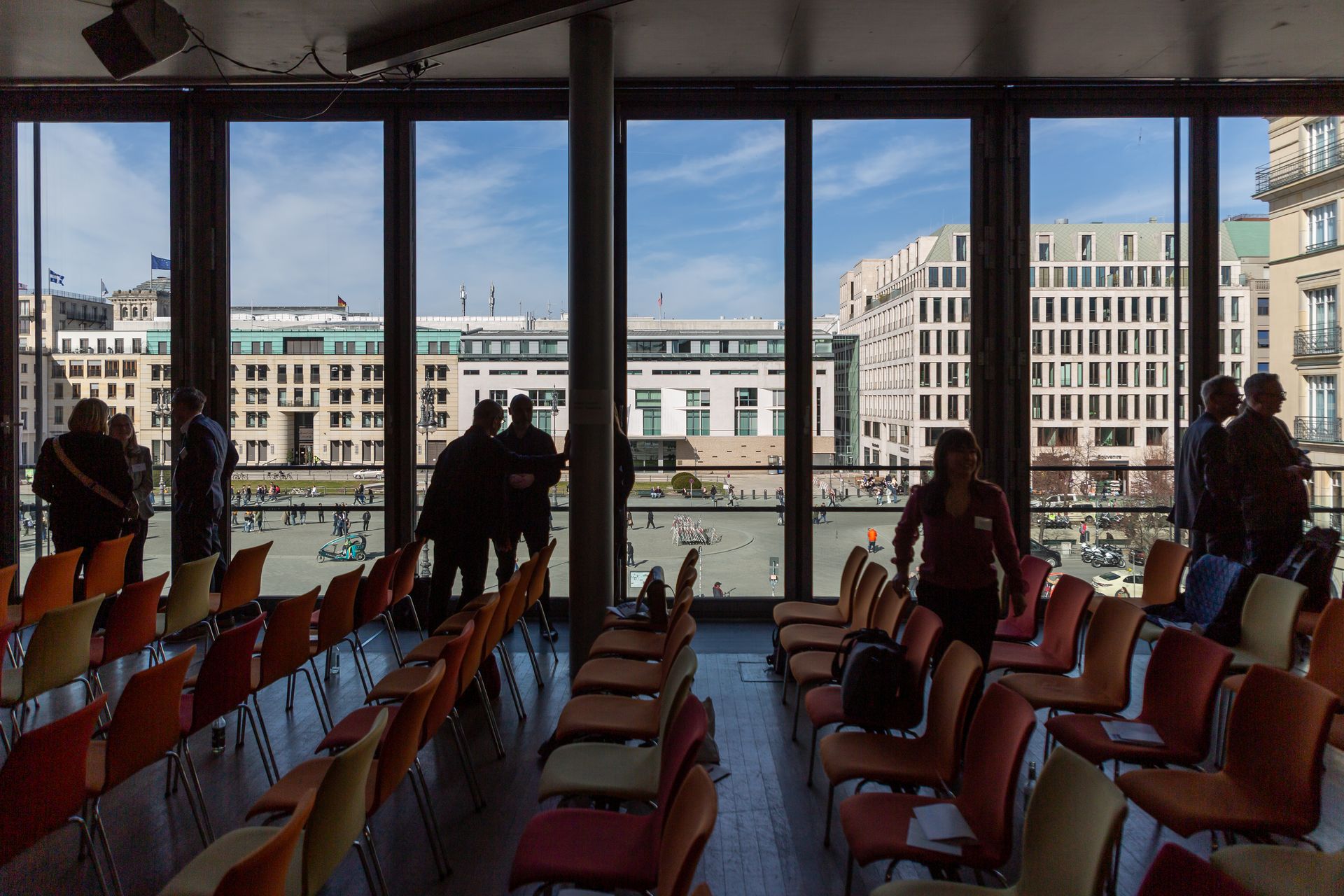
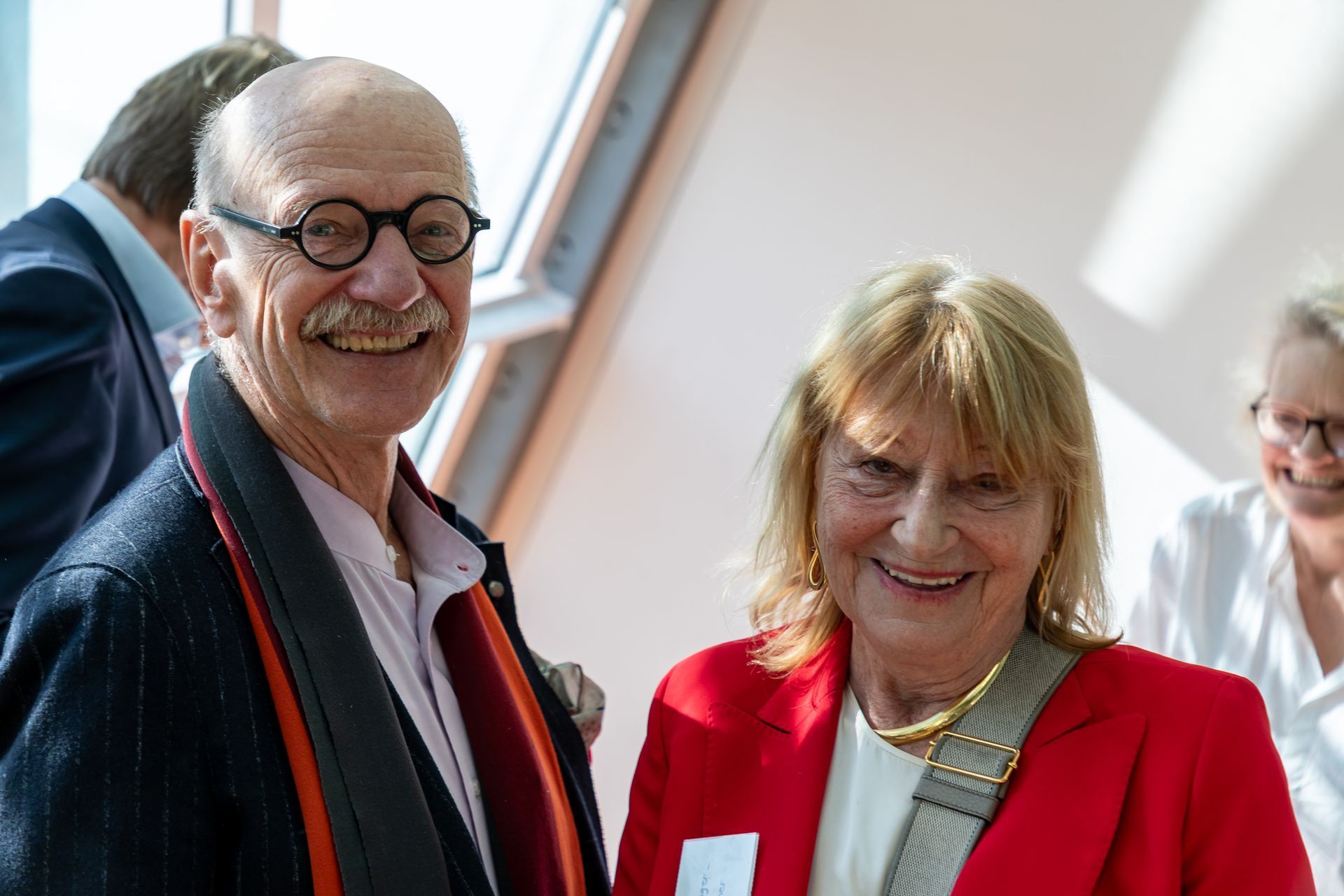
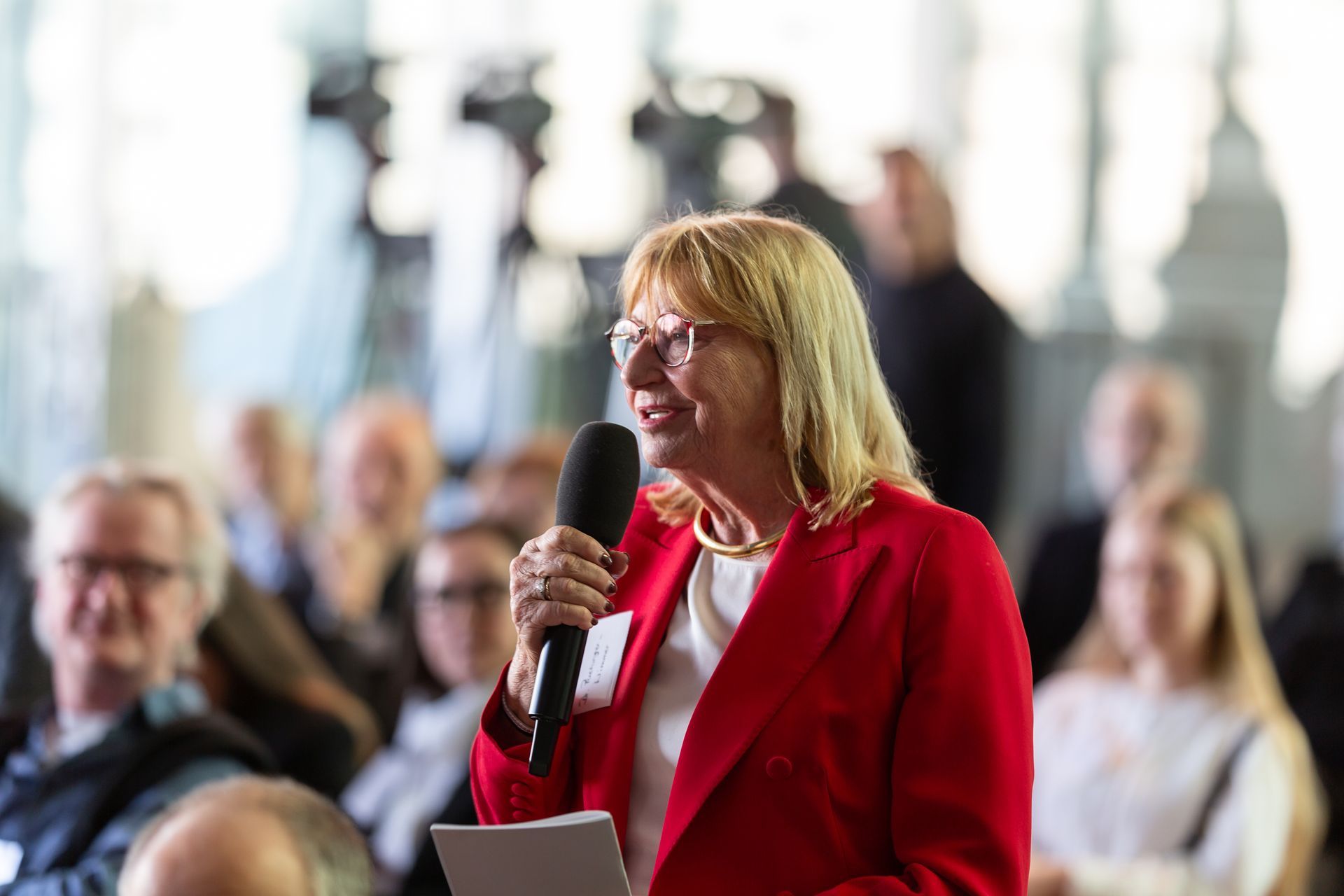
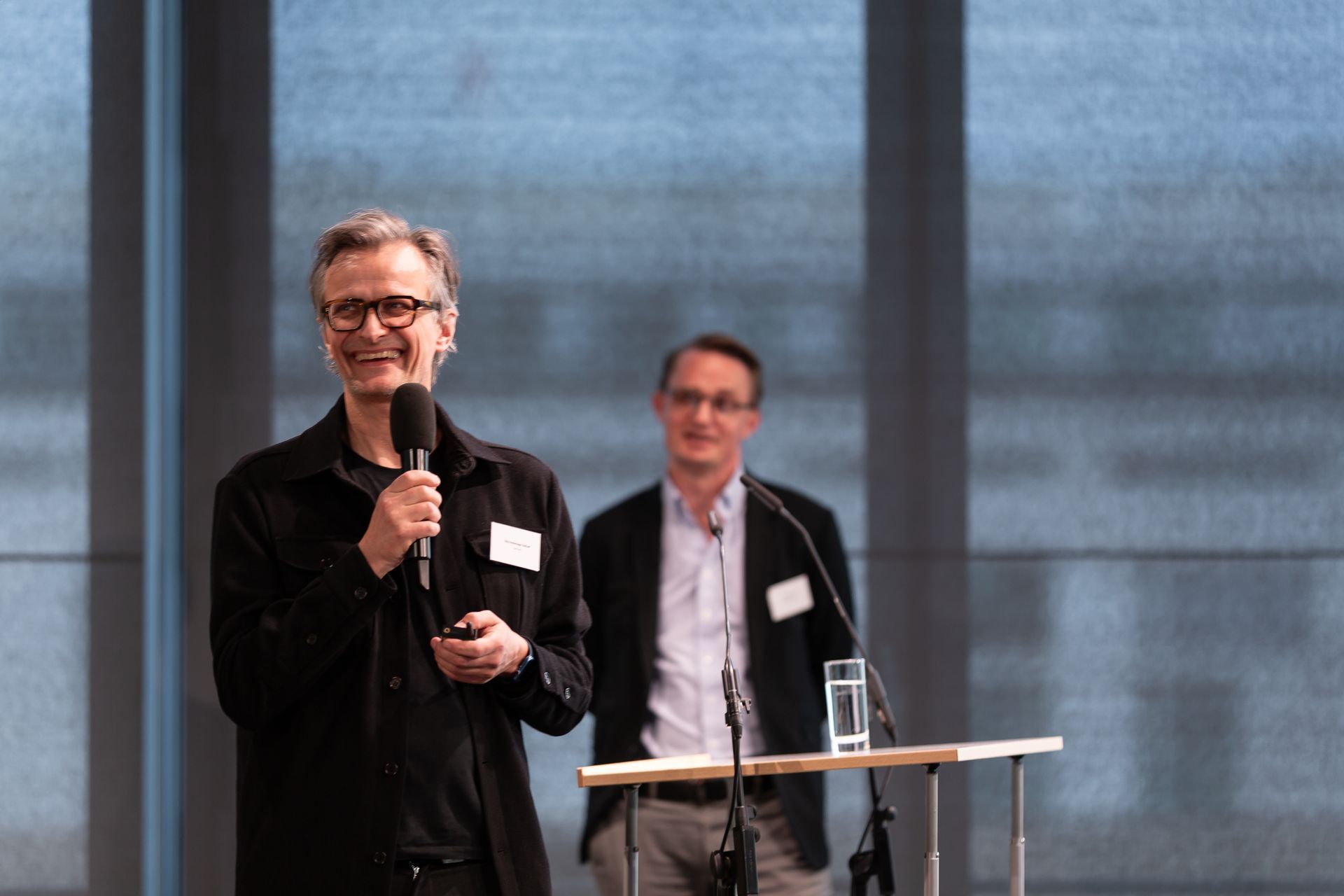
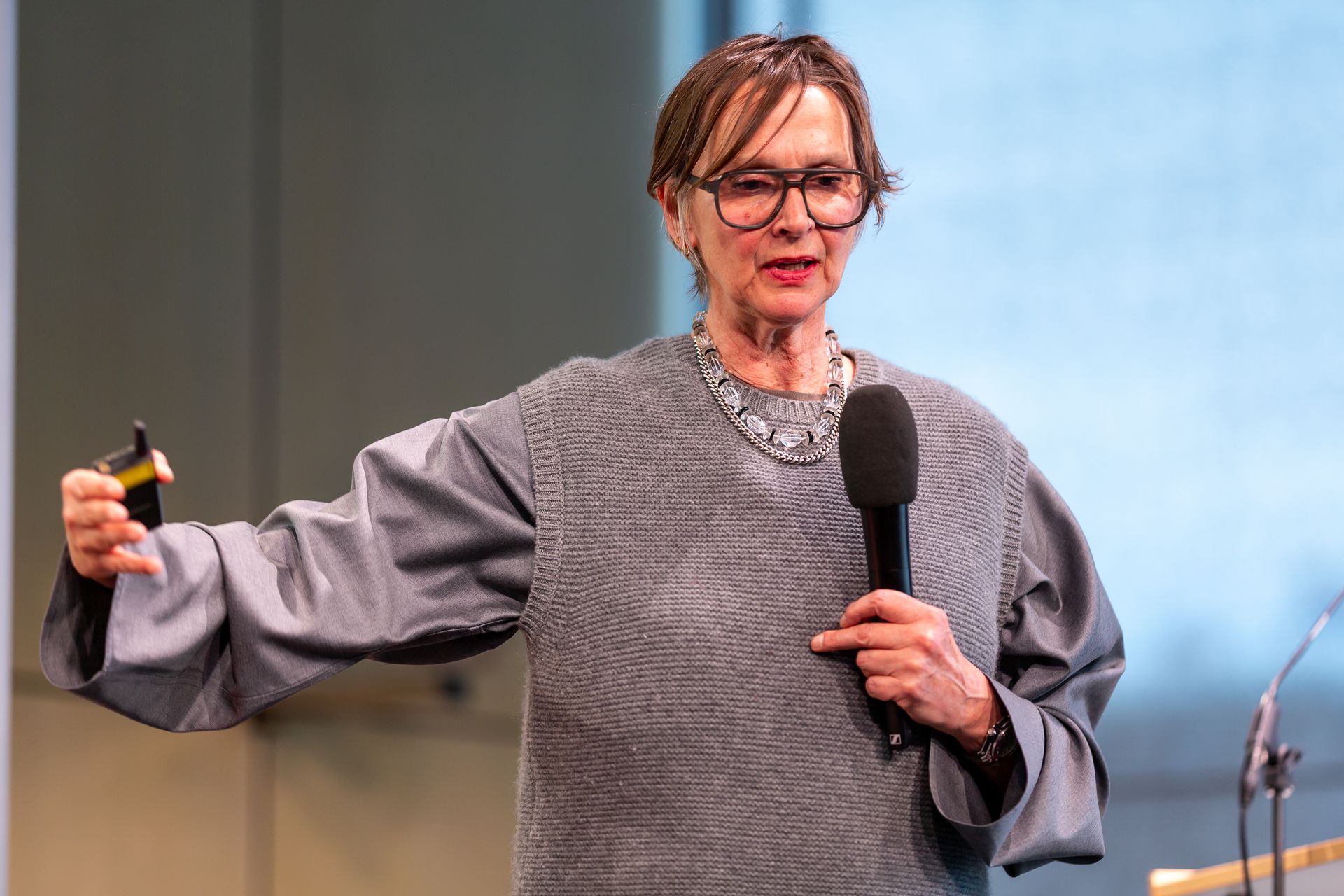
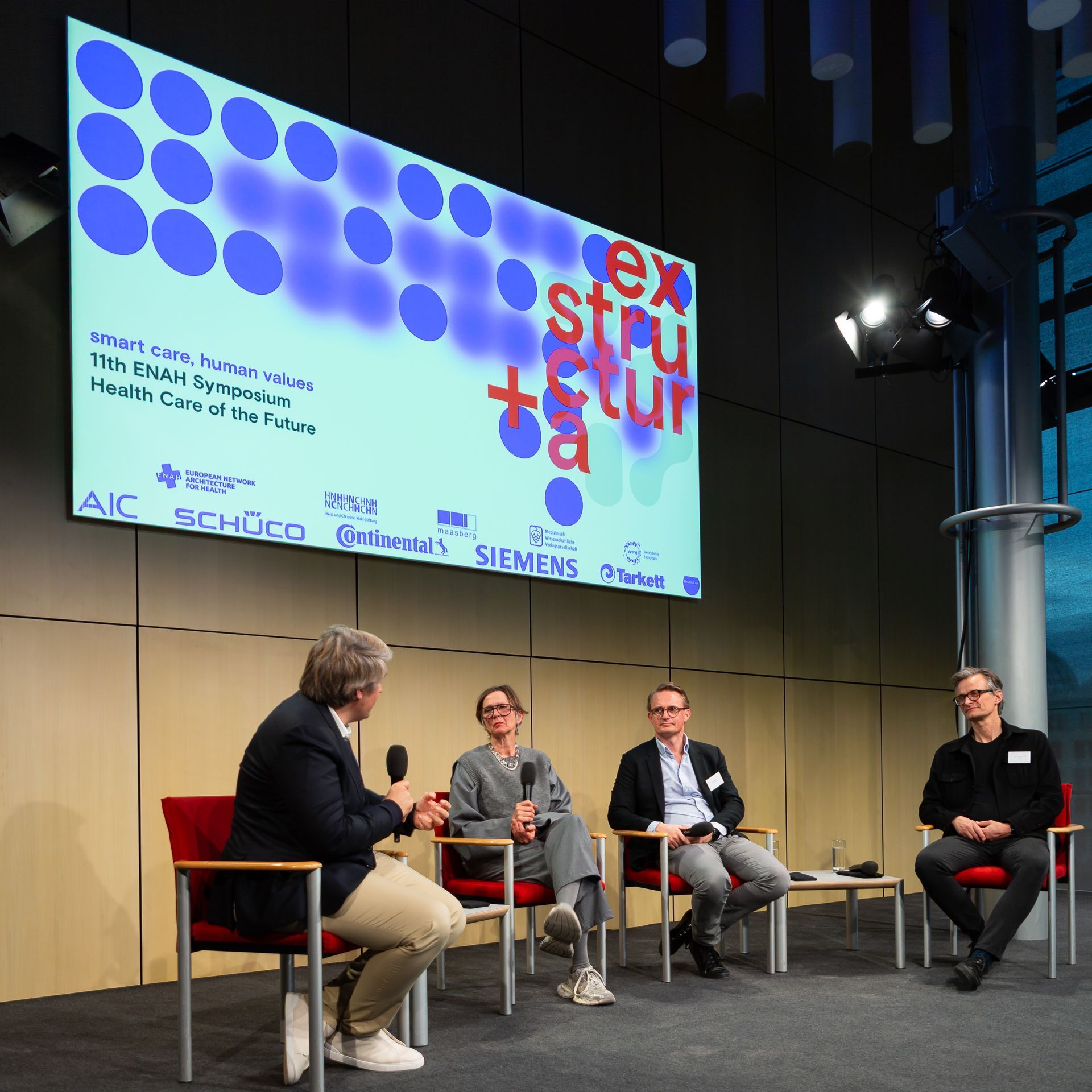
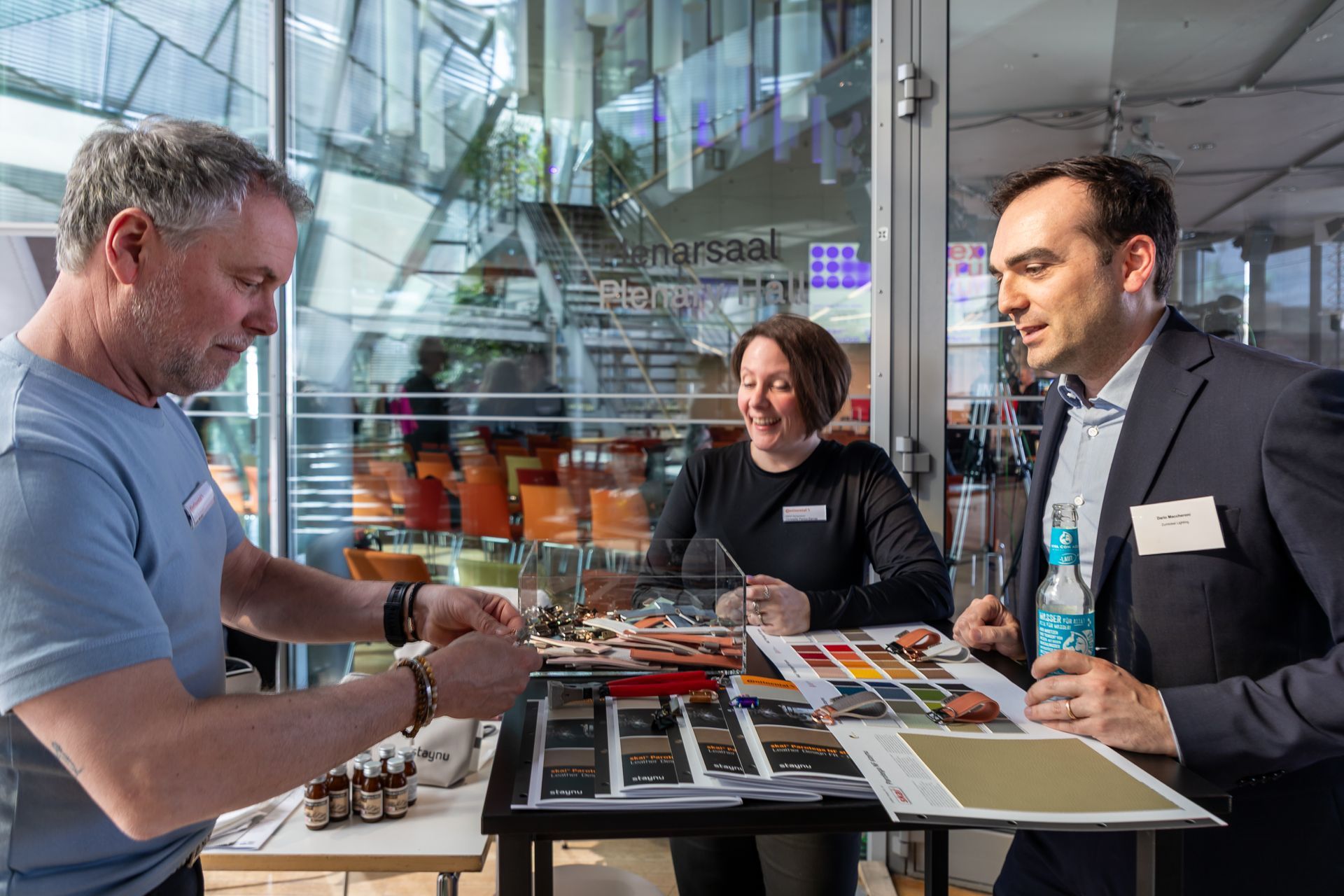
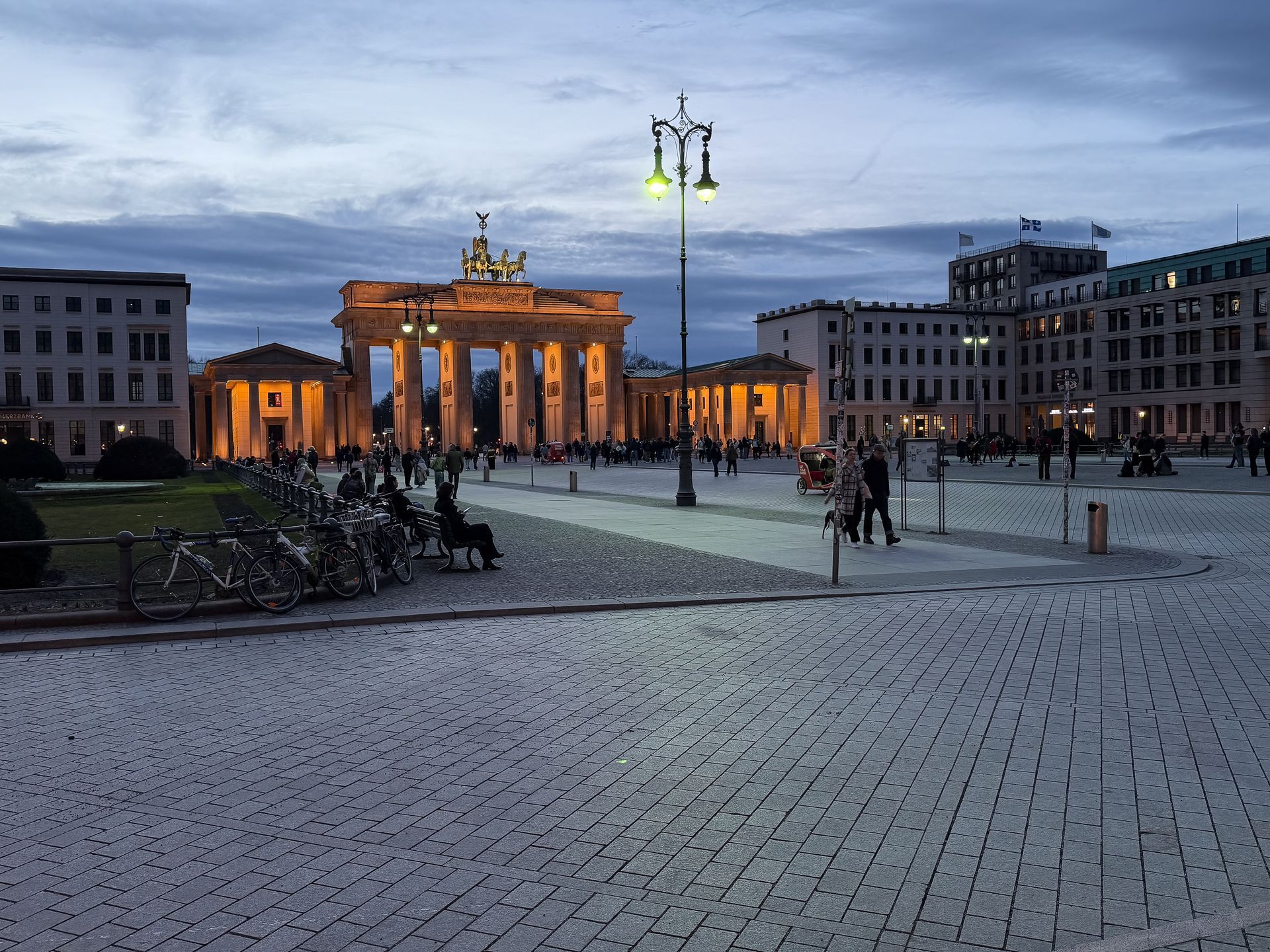
On Friday, 13 March, we had the pleasure of hosting the 11th Symposium Health Care of the Future at the Academy of Arts at the Brandenburg Gate – an inspiring day dedicated to the transformation of healthcare.
Under the theme Ex STRUCTURA – smart care, human values, the symposium focused on the paradigm shift that involves consciously deconstructing, reorganising, and rethinking established structures.
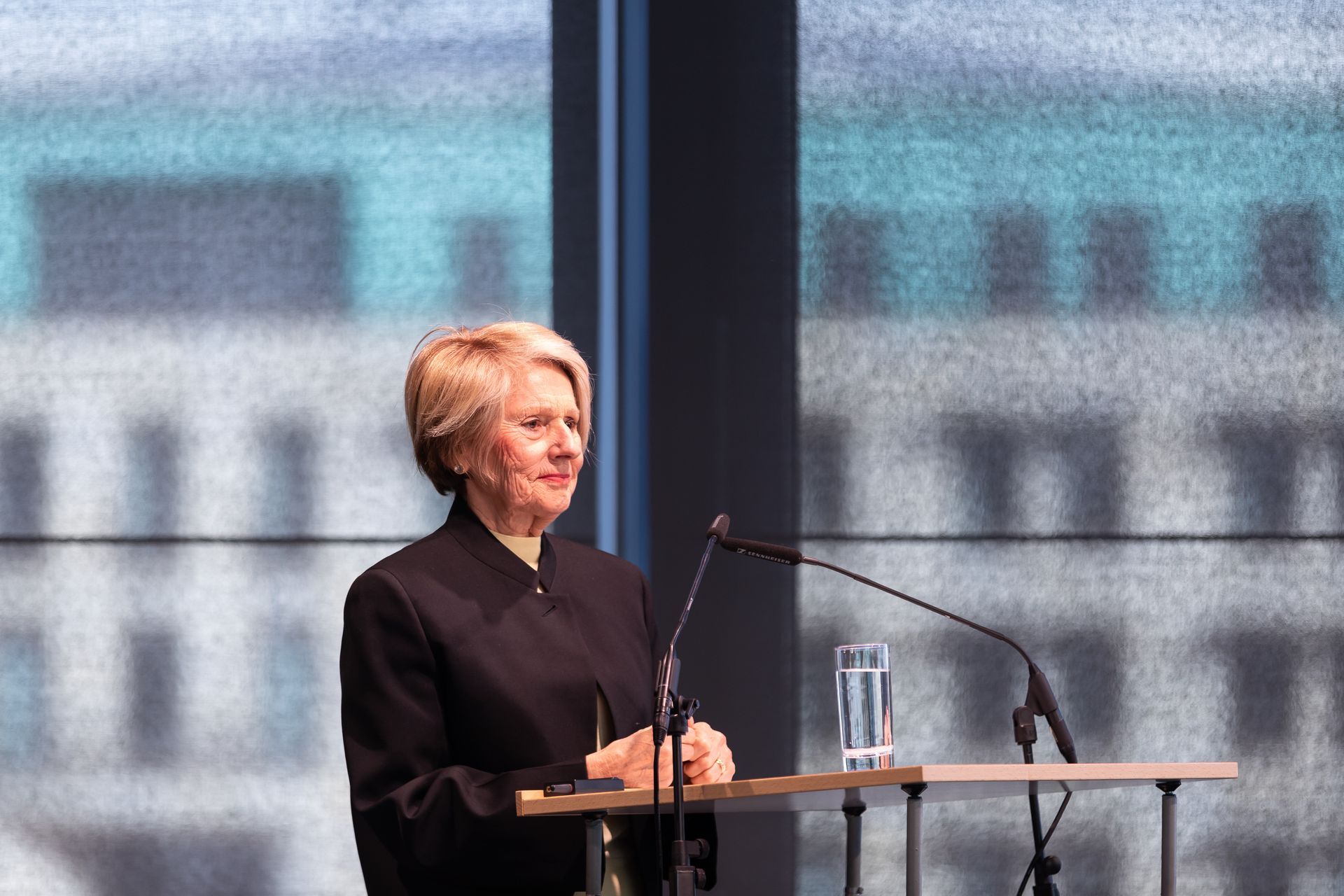
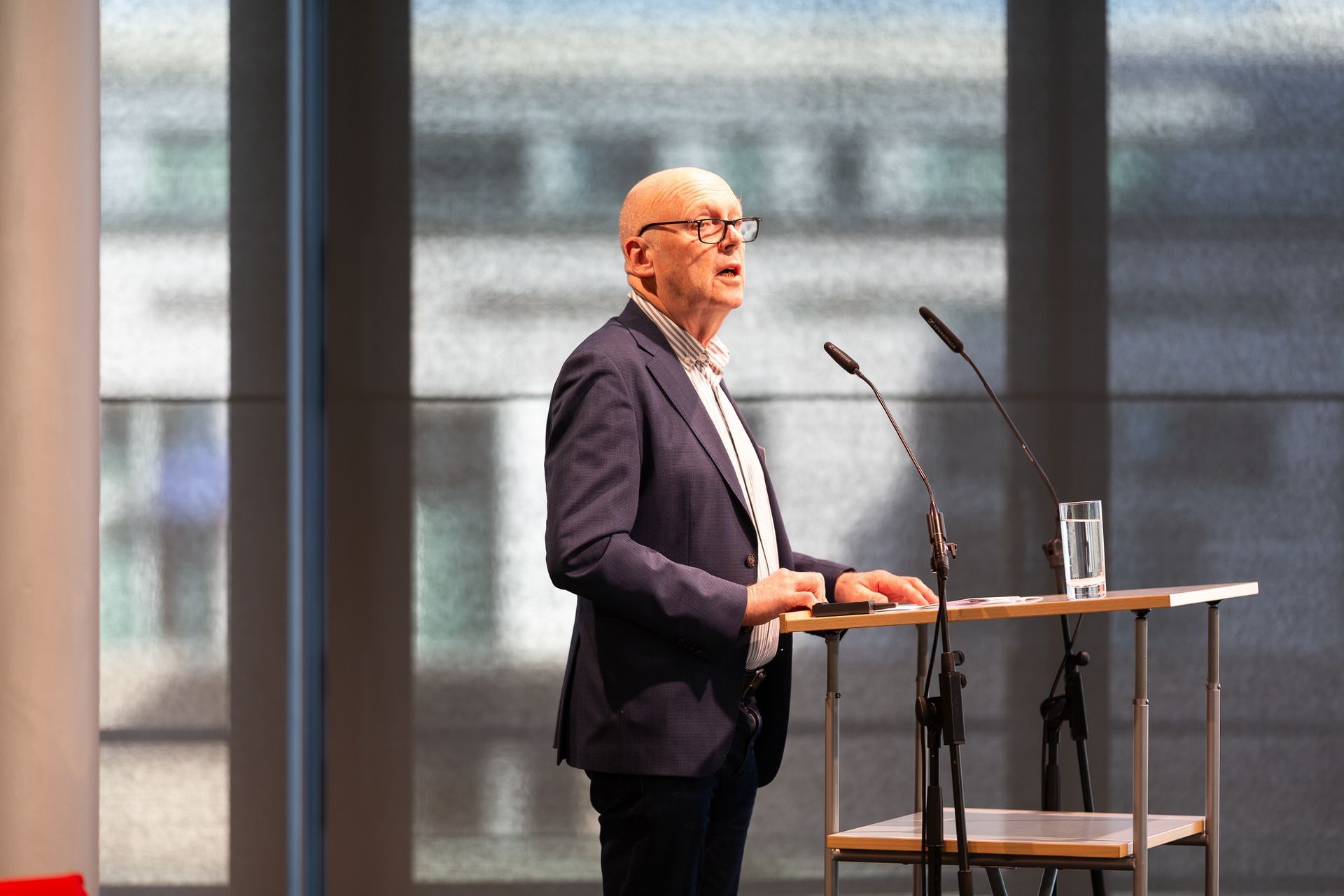
Following a welcome by the symposium president, Prof. Christine Nickl-Weller, the first session on Planning the Healthy City began with the provocative question: “Is health political?”. Prof. Cor Wagenaar (University of Groningen) set an impressive tone, bridging past and future perspectives and linking the discussion to the field of Public + Health + Politics. Subsequently, Astrid Lurati (Charité – Universitätsmedizin Berlin) offered insights into Charité projects, particularly the new children’s hospital at the Virchow Campus, and outlined the challenges posed by financing models for high-quality medical care. A striking contrast was provided by Antoine Chaaya (Renzo Piano Building Workshop), who presented the Medical District Hospital in Sharjah, UAE. Nearly entirely funded by a single patron, the project highlighted how planning and construction processes can differ dramatically under such circumstances.
The second session, Transformation in Healthcare Architecture, explored the impact of rapid technological and societal changes on healthcare. Birgitte Ø. Sørensen (Tech Happens) and Prof. Janina Beilner (Siemens AG) showcased completed projects to demonstrate the current state of digitalisation in Europe and untapped potential. Prof. Claudia B. Maier (Bielefeld University) addressed the implications for hospital staff, while a discussion led by Prof. Christoph Hölscher illustrated the varying degrees of digital adoption across European hospitals.
The third session, Hospitals without Walls, moderated by Lars Steffensen (Tegnestuen Kontekst ApS), focused on patient-centred and hybrid care models. Ass. Prof. Jodi Sturge (University of Twente) and Femke Feenstra (Gortemaker Algra Feenstra) presented concrete projects on telemedicine, remote monitoring, and “Hospital-at-Home” concepts. Magnus Nickl (Vamed WWH, Nickl Partner Architekten Schweiz AG) explained how architecture and urban planning can create healthy urban spaces and meeting points that go beyond traditional hospital design.
A final highlight was the last session Architecture as a Health Resource featuring two children’s hospitals: Stig Vesterager Gothelf (3XN) and Lars Hyldgaard (Ole Kirk’s Foundation) demonstrated, using the Mary Hospital in Copenhagen as an example, how healthcare infrastructure can be future-proofed through PPP models. Christine Binswanger (Herzog & de Meuron) closed the symposium with her lecture “The Healthy Hospital”, offering a vision of architecture that can be more than just a hospital.
Beyond the professional insights, the symposium emphasised the importance of interdisciplinary exchange: experts from medicine, research, technology, industry, and politics came together to jointly shape the future of healthcare.
We warmly thank all participants, contributors, and partners, particularly our sponsors, who enriched the symposium with innovative contributions. We look forward to continuing the dialogue!
(Fotos: Ingo Schrader)