Review Event Round-up International Summer School 2026
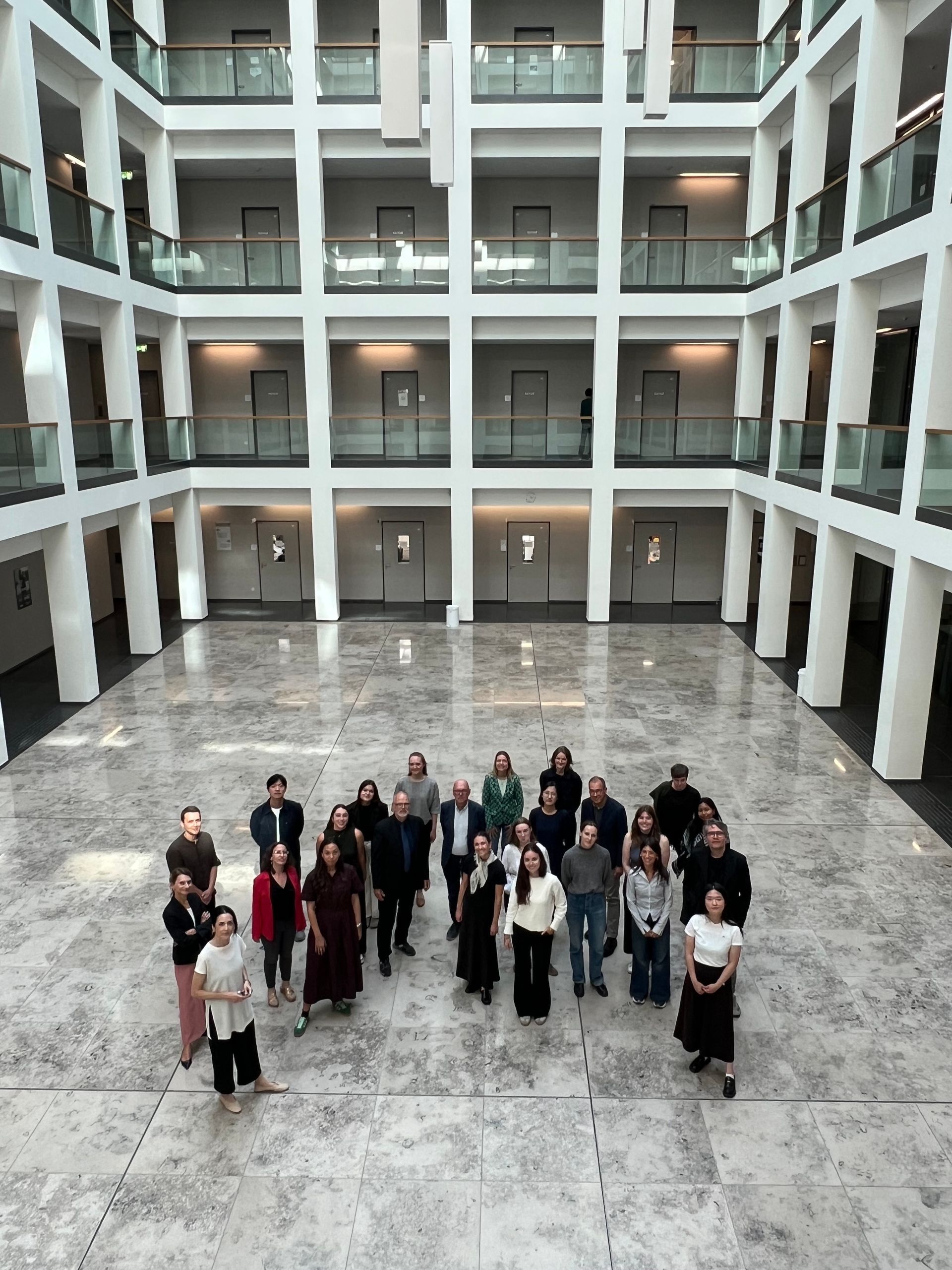
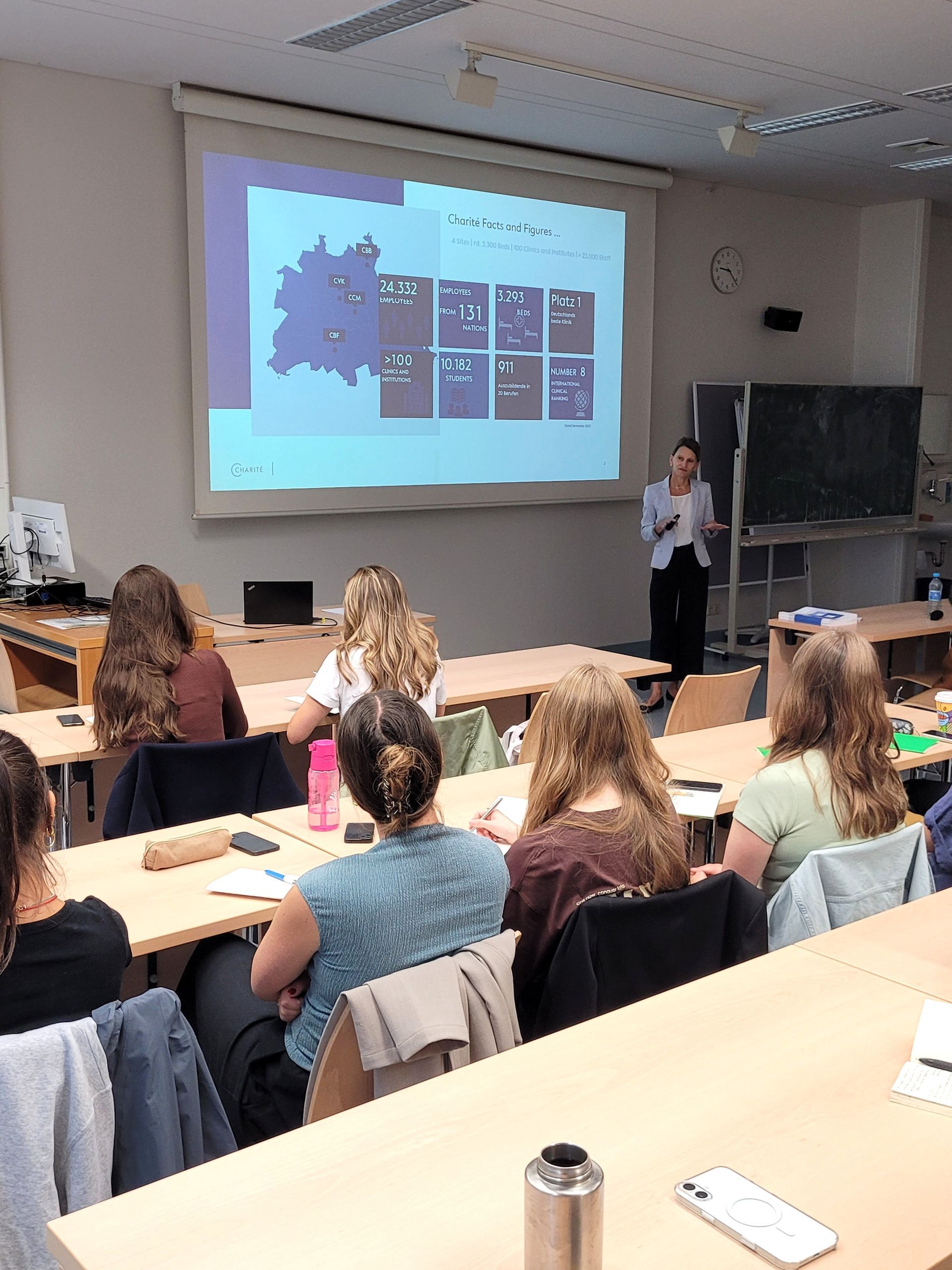

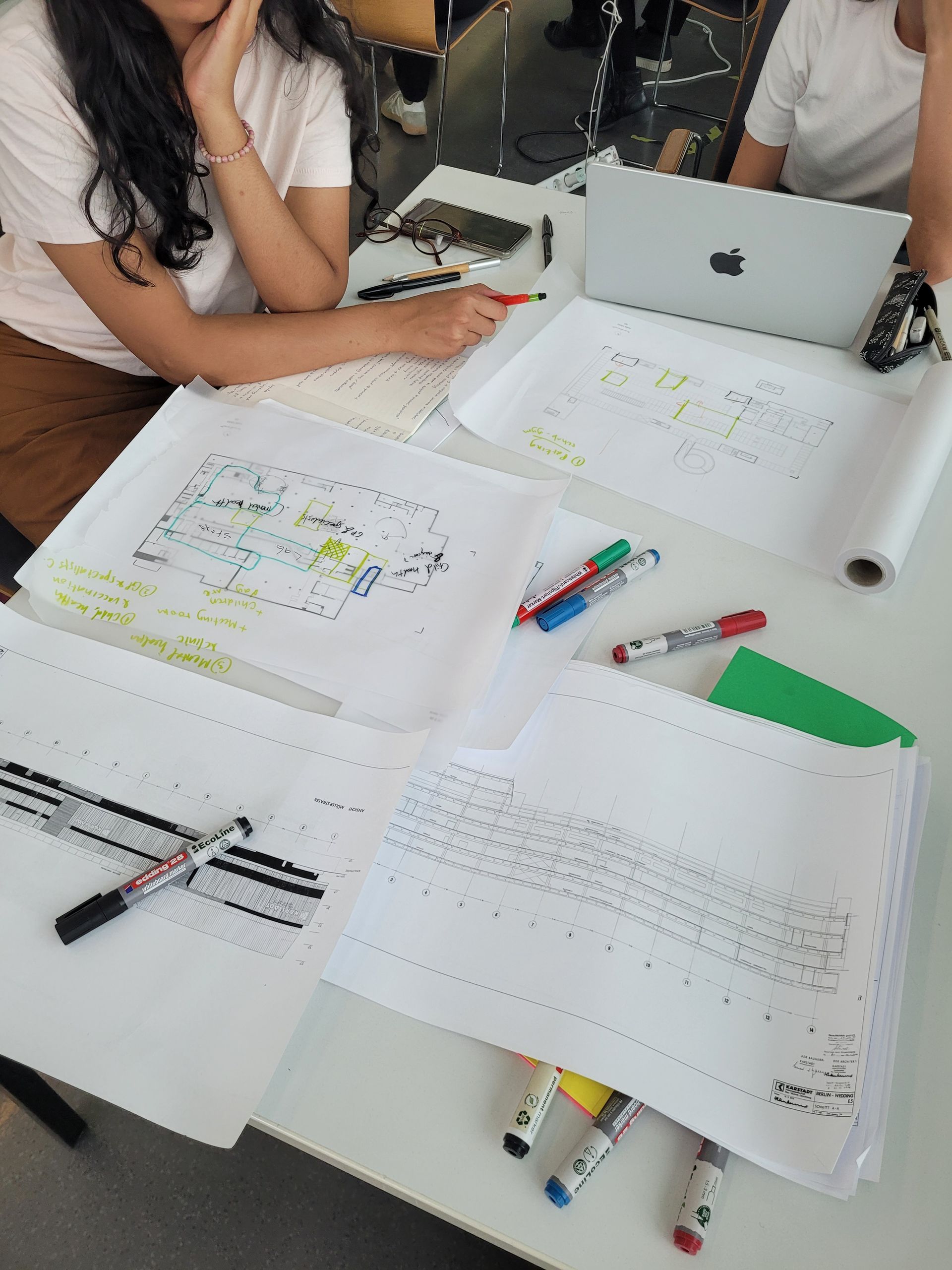
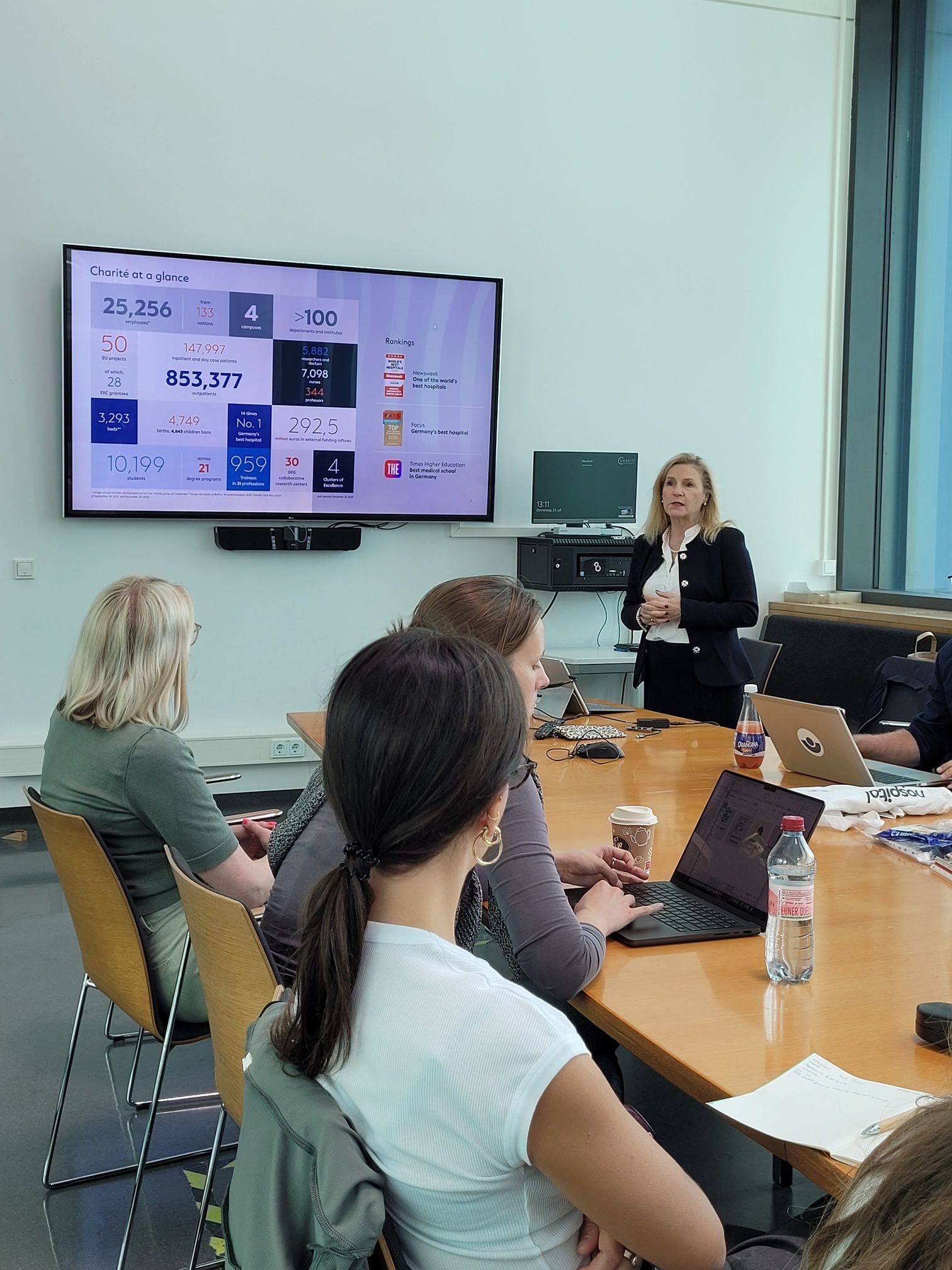

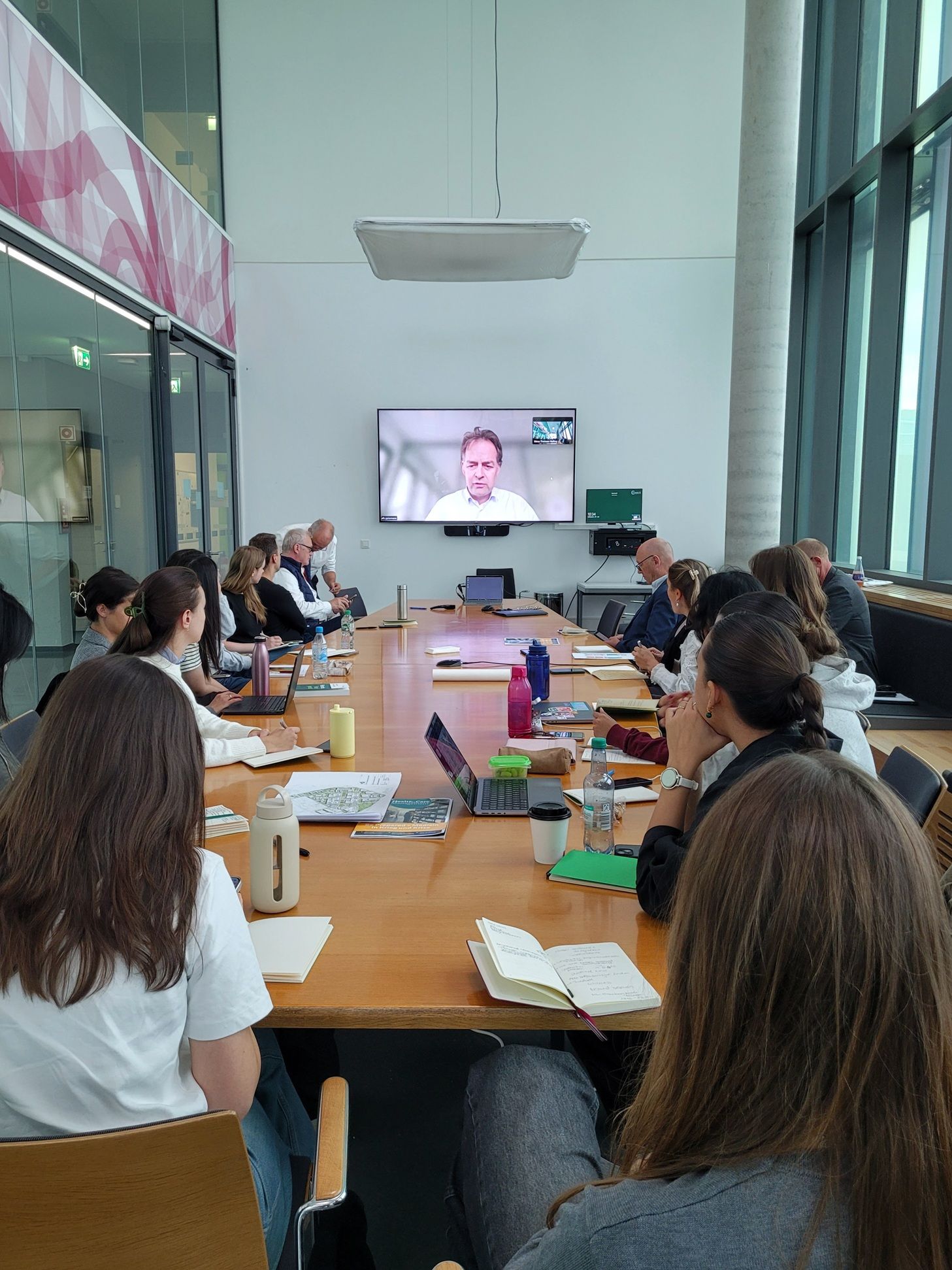
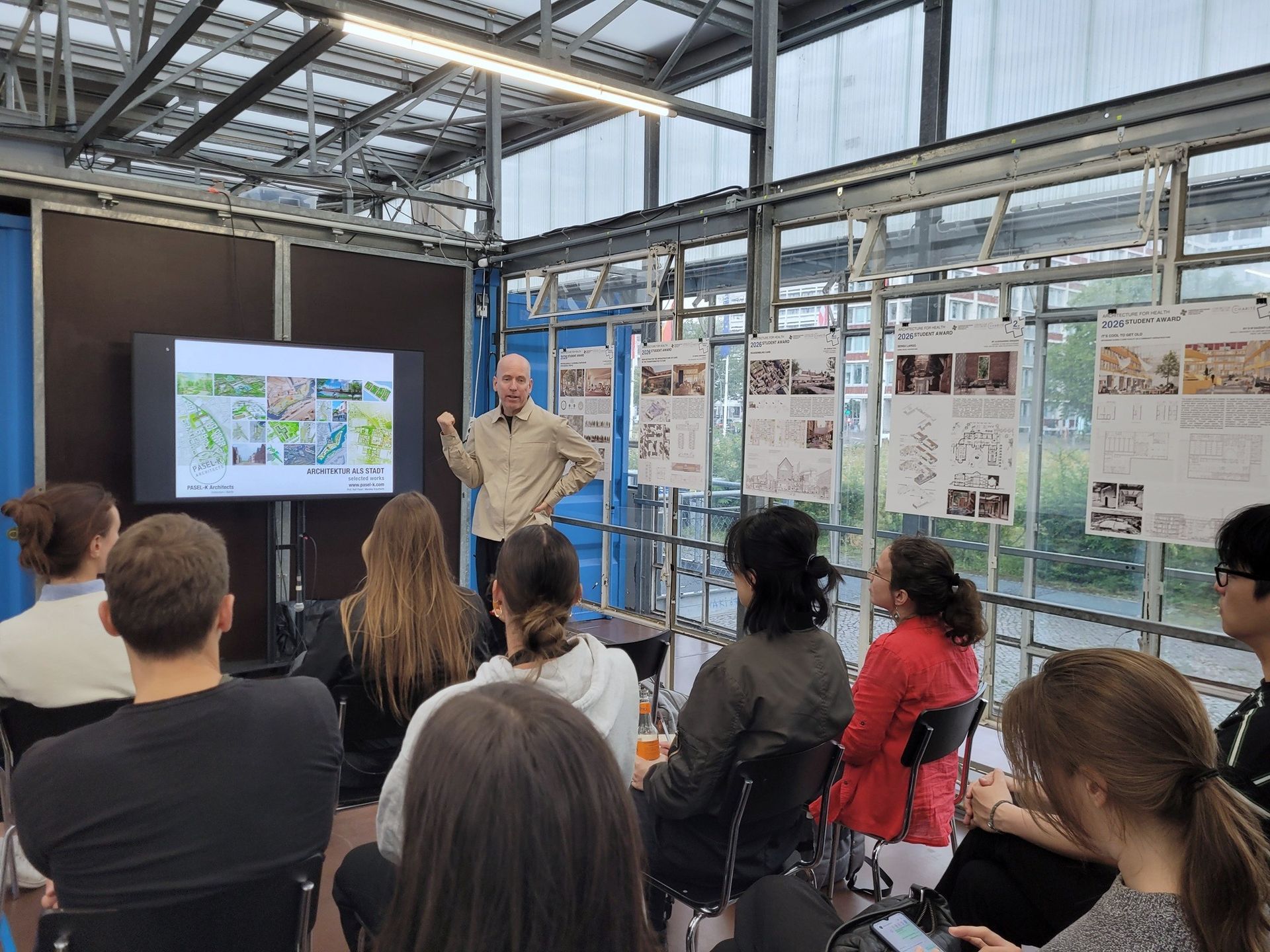

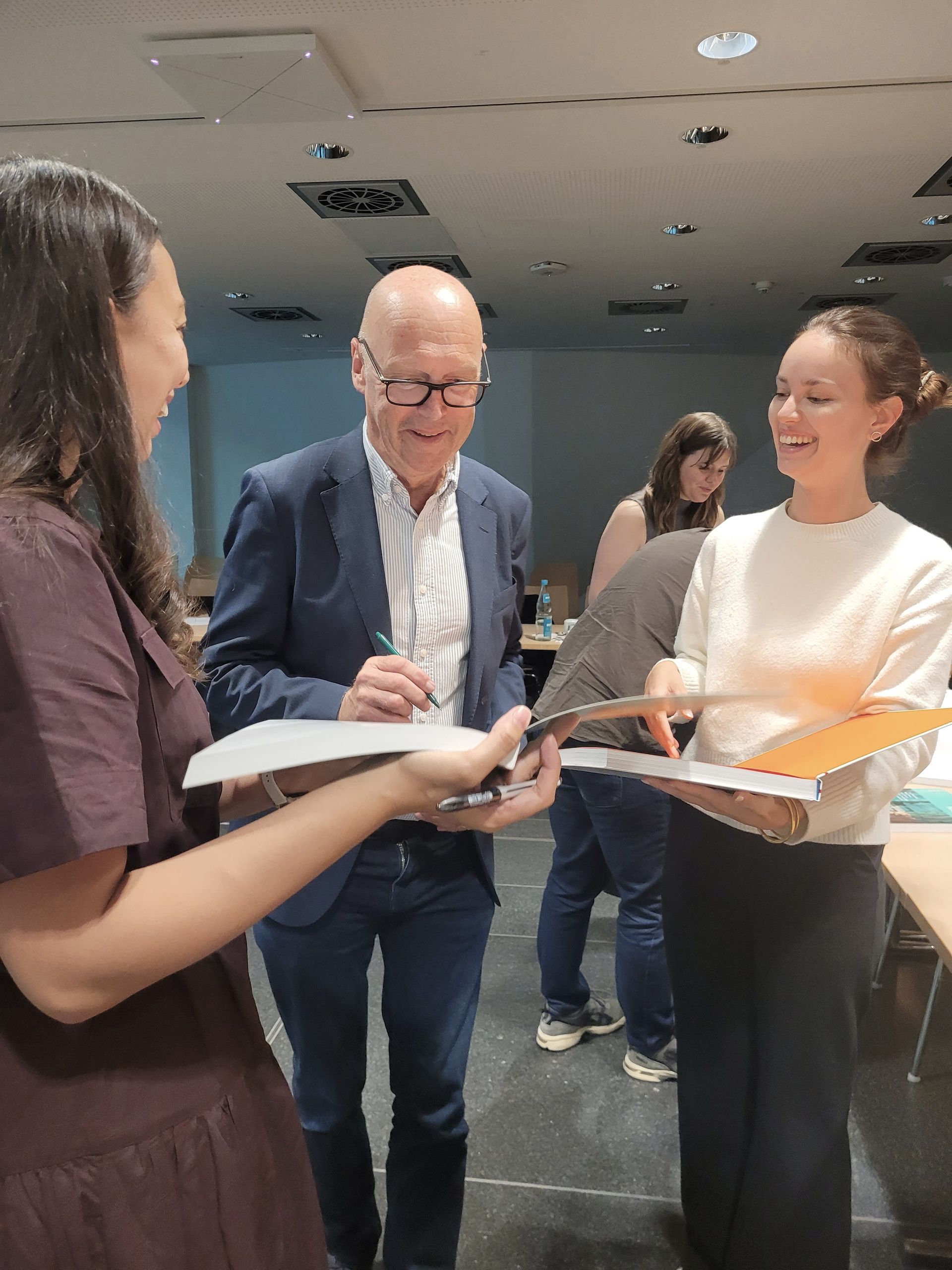

Photo credits: Mena Theißen-Helling, Michael Reiter
International Summer School
HOSPITAL + THE CITY
An interdisciplinary approach to hospital planning in the urban context
From 20 to 24 July 2026, Berlin hosted the international Summer School
HOSPITAL + THE CITY, led and organised by
Prof. Cor Wagenaar, Prof. Ralf Pasel, Michelle-Martine Wittmer and Mena Theißen-Helling of ENAH.
Over five intensive days, participants from a wide range of professional and academic backgrounds came together to dig into one of the most pressing questions facing German healthcare today: what does the future of hospital and healthcare architecture look like, and how must urban planning adapt to meet it?
The Summer School 2026 turned its attention to ambulatory care — and to a bigger question underlying it: how can healthcare provision be reimagined beyond the traditional hospital model? Outpatient facilities hold real promise here, easing pressure on inpatient care while making treatment more accessible and improving the overall patient experience. But as these facilities grow in scale and complexity, they raise their own architectural challenges: how to design for flexibility, streamline workflows, support interdisciplinary collaboration, and weave healthcare more naturally into the fabric of the city.
To explore these questions concretely, participants were set a real design challenge: developing conceptual proposals to transform two existing Berlin buildings into contemporary ambulatory care centres. The first was the
heart clinic at Charité Campus Virchow-Klinikum; the second, a former
Karstadt department store at Leopoldplatz in Wedding. Two sites, two very different architectural, social and urban contexts — and, correspondingly, two very different sets of design questions to work through.
Across a programme of lectures, discussions, workshops and site visits, participants examined how healthcare architecture can respond to shifting medical, social and environmental demands while strengthening its ties to the surrounding neighbourhood. Particular emphasis was placed on the role healthcare facilities can play in fostering social integration and everyday urban life.
The week culminated in the presentation of the participants' conceptual proposals — a fitting demonstration of how the adaptive reuse of existing buildings can pave the way toward healthcare environments that are more sustainable, more resilient, and more socially embedded in the city around them.
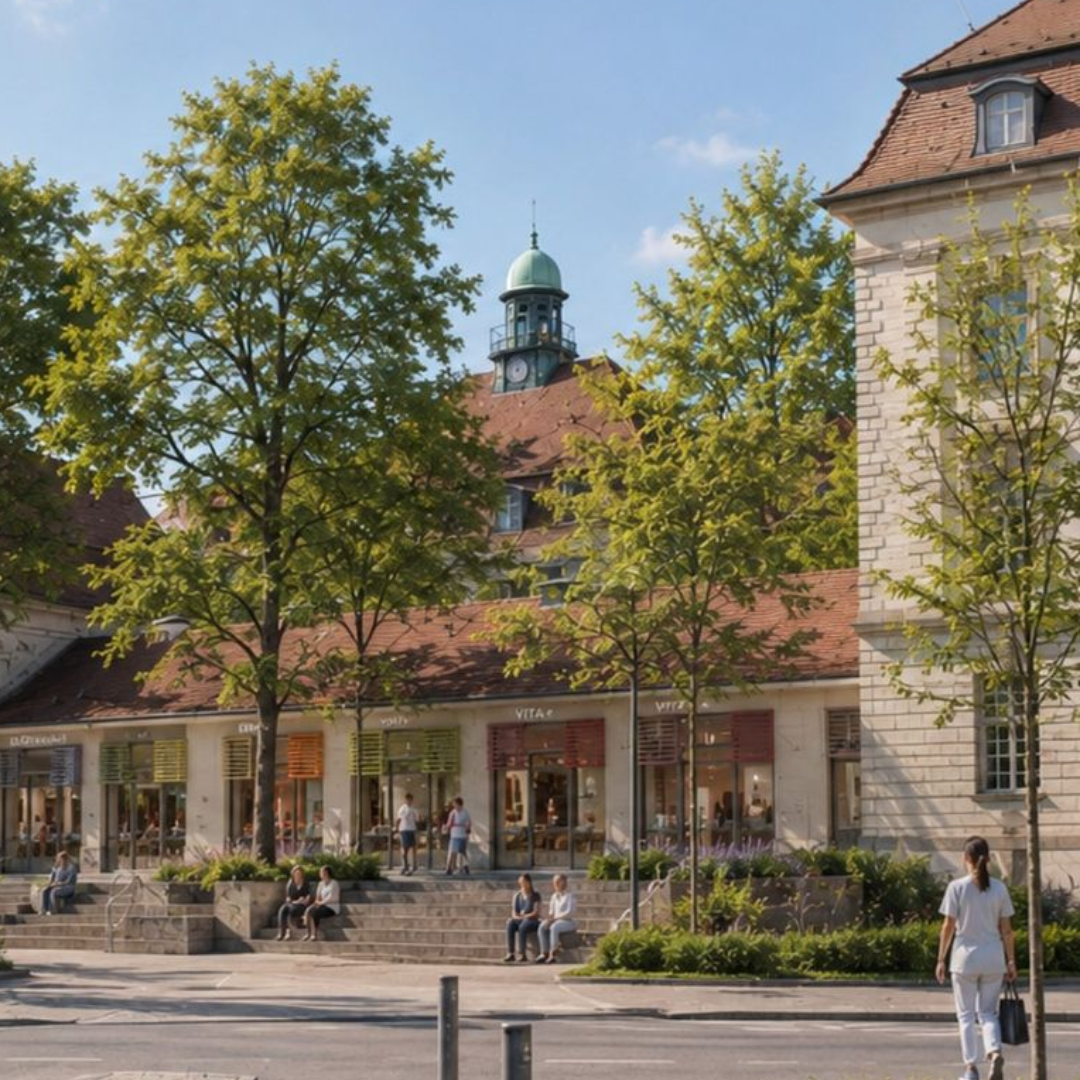
Nalini Van Puyenbroeck,
Jun Wang,
Antonia Walz
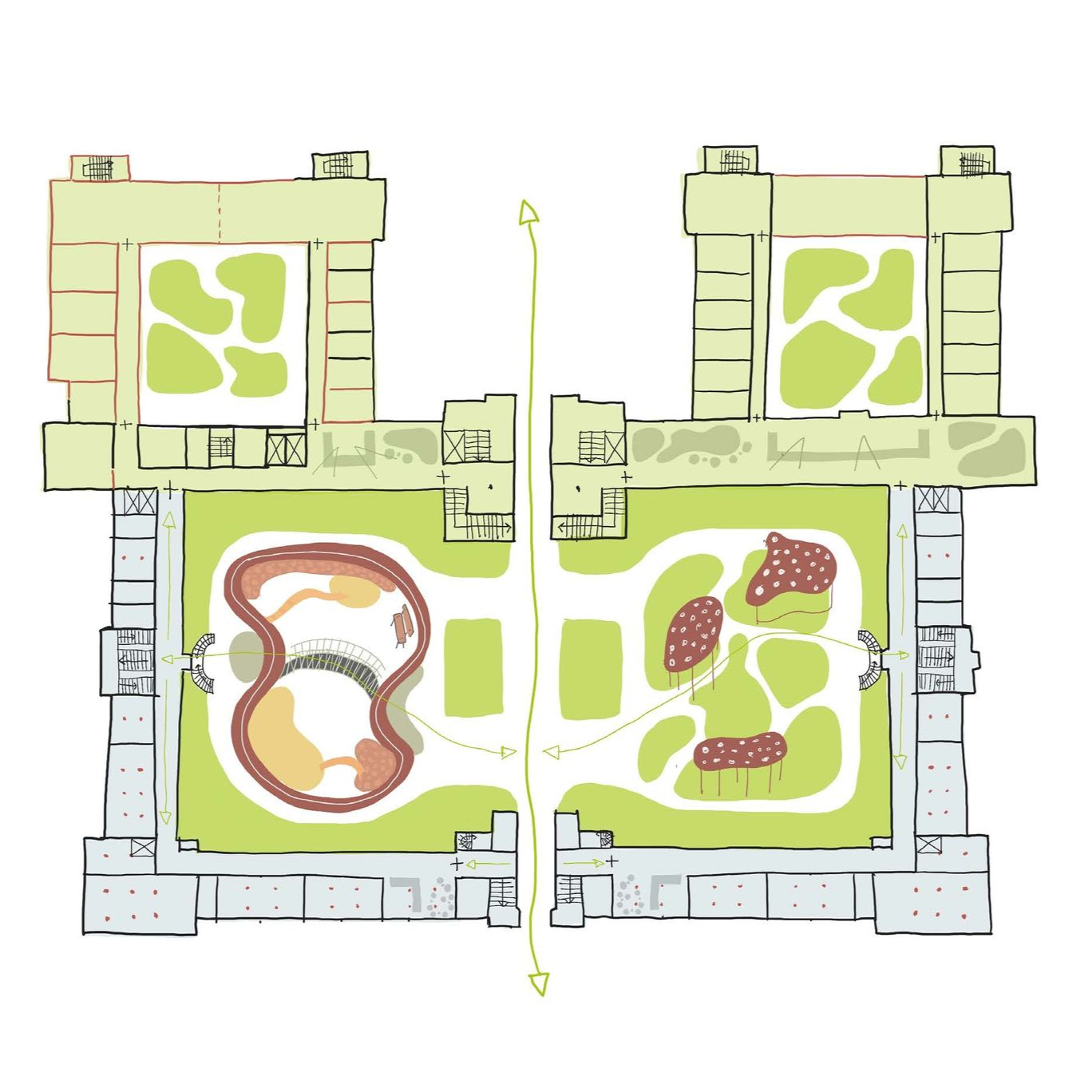
Seungsoo Lee, Friederike Meyer,
Erjia Ren,
Vivica Wolff
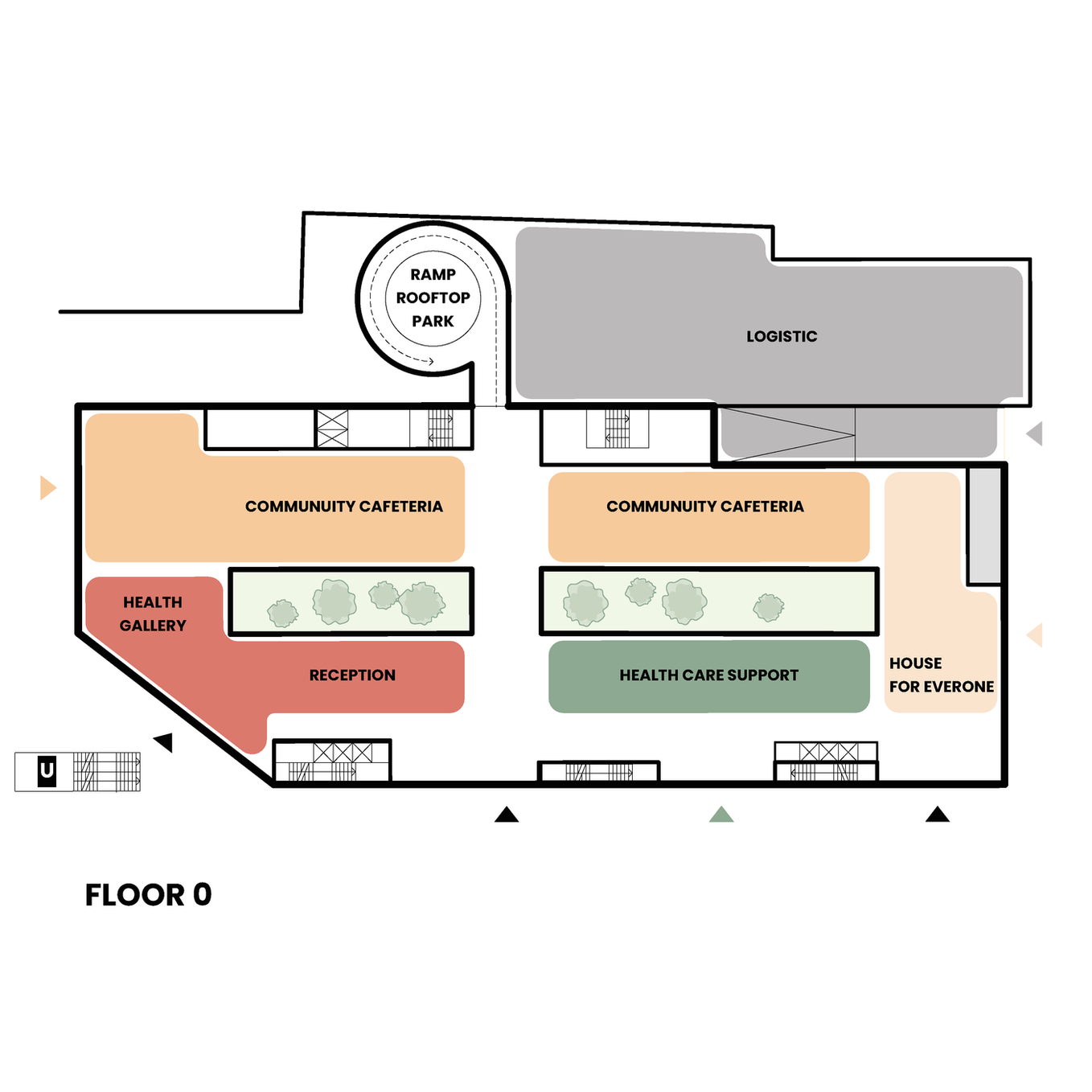
Anne Ortmann,
Sergii Protsan,
Angelika Sobczak,
Linda Veo
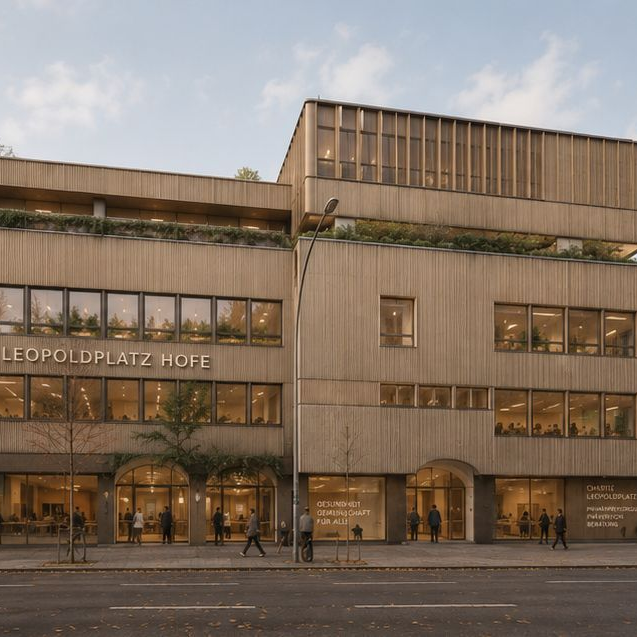
Fierdouz Hendricks, Polina Kyoseva, Saraswati Nugroho, Zuzanna Fedorowicz
Acknowledgements
Our particular thanks go to our partners at
Charité – Universitätsmedizin Berlin (Nadine Mauritz, David Naegler),
Technische Universität Berlin,
Hans und Christine Nickl-Stiftung,
Architekten für Krankenhausbau und Gesundheitswesen (AKG),
Berufsgenossenschaft für Gesundheitsdienst und Wohlfahrtspflege (BGW),
Arjo,
and
BHROX bauhaus reuse.
We would also like to express our sincere gratitude to all those who contributed to making the Summer School a success
Alexander Deutschmann (Nickl & Partner Architekten),
Prof. Birgit Dietz (TU München, Krankenhausbau und Bauten des Gesundheitswesens, AKG),
Annette Finke (Graft Architects),
Christoph Gatermann (Nickl & Partner Architekten, AKG),
Prof. Tom Guthknecht (Lausanne Health & Hospitality Group),
Prof. Thomas Kersting (Institut TakeCare GmbH, TU Berlin),
Konrad Laker (GP, London),
Astrid Lurati (Charité – Universitätsmedizin Berlin),
Prof. Christine Nickl-Weller (Hans und Christine Nickl-Stiftung),
Bernd Potthoff (Arjo),
Michael Reiter (Health & Care Management),
Barbara Schott (heinlewischer),
and Miriam Sen (BGW)
for their valuable contributions, expertise and support. Our special thanks go to everyone who shared their knowledge, guided participants through the week, and made the lectures, workshops, site visits and project work possible.
Finally, and not least, our thanks go to all the participants — for their commitment, curiosity and genuinely inspiring contributions throughout the week!
The Summer School 2026 was supported by